Tooth Sensitivity in Tamil Nadu: Causes, Warning Signs, and Modern Dental Treatments to Relieve Pain and Protect Your Teeth
Do you experience a sharp pain in your teeth when drinking cold water, eating sweets, or enjoying hot beverages? Tooth sensitivity can make everyday activities uncomfortable. Learn about its common causes, warning signs, preventive measures, and available dental treatments to protect your teeth and maintain a healthy smile.
Dr Mugilan's Dental Team
·8 min read
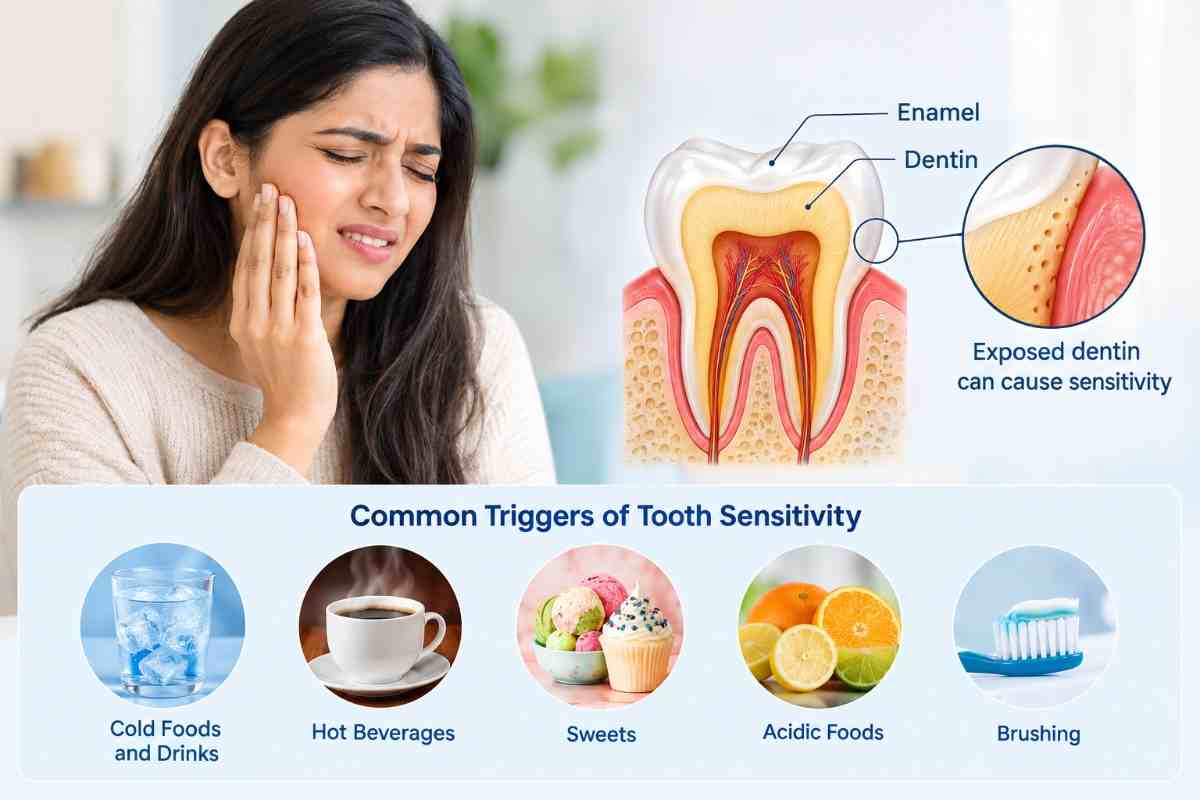
Have you ever experienced a sudden, sharp pain in your teeth while drinking cold water, eating ice cream, or enjoying a hot cup of coffee? If so, you may be experiencing tooth sensitivity. It is a common dental concern that can make simple everyday activities uncomfortable.
Tooth sensitivity occurs when the protective outer layer of a tooth becomes thinner or when the underlying dentin gets exposed. Although occasional discomfort may seem harmless, persistent sensitivity can sometimes indicate an underlying dental problem that needs professional attention.
Understanding the causes, symptoms, and treatment options can help you protect your teeth and maintain good oral health. At Dr Mugilan's Dental Clinic and Implant Center, patients can explore modern dental care options for different oral health concerns through a multi-speciality approach supported by digital dental technology.
What Is Tooth Sensitivity?
Tooth sensitivity, also known as dentin hypersensitivity, is a condition that causes temporary discomfort or sharp pain in response to certain triggers.
The outer layer of a tooth is called enamel. Beneath it is dentin, which contains tiny channels connected to the inner part of the tooth. When enamel wears down or gums recede, these channels may become exposed.
Hot, cold, sweet, or acidic foods and drinks can stimulate the exposed areas, resulting in sensitivity.
The discomfort may last only a few seconds, but repeated episodes can affect eating, drinking, brushing, and everyday comfort.
Common Causes of Tooth Sensitivity
Tooth sensitivity can develop for several reasons. Identifying the underlying cause is important because treatment depends on the condition affecting the tooth.
1 . Tooth Enamel Erosion
Enamel protects the inner structures of your teeth. Frequent consumption of acidic foods and beverages, such as citrus fruits, soft drinks, and certain packaged drinks, may gradually weaken the enamel.
Once enamel becomes thinner, the dentin underneath may become more exposed, increasing sensitivity.
2 . Gum Recession
Gums normally protect the roots of your teeth. When gum tissue moves away from the tooth surface, the roots may become exposed.
Unlike the crown of a tooth, its root surface does not have the same protective enamel covering. This makes exposed roots more vulnerable to temperature changes and other triggers.
Gum recession may be associated with gum disease, aggressive brushing, or other dental factors.
3 . Brushing Too Hard
Using excessive pressure while brushing or choosing a hard-bristled toothbrush can contribute to enamel wear and gum irritation over time.
Brushing gently with a soft-bristled toothbrush helps protect both teeth and gums.
4 . Teeth Grinding
Some people unknowingly grind or clench their teeth, particularly during sleep. This habit, known as bruxism, can gradually wear down tooth surfaces and contribute to sensitivity.
It may also cause jaw discomfort, headaches, and other dental problems.
5 . Tooth Decay and Cracks
Cavities, damaged fillings, and cracked teeth can expose sensitive inner tooth structures. In some cases, discomfort may become noticeable when biting or consuming particular foods.
These conditions should be evaluated by a dentist rather than treated with sensitivity toothpaste alone.
6 . Recent Dental Procedures
Some people experience temporary sensitivity after dental treatments such as teeth cleaning, fillings, whitening procedures, or crown placement.
The discomfort often improves, but prolonged or worsening sensitivity should be discussed with the treating dentist.
Common Warning Signs of Sensitive Teeth
Tooth sensitivity can appear in different ways depending on its cause and severity.
Look out for these common symptoms:
Sharp pain when drinking cold or hot beverages.
Discomfort while eating ice cream or sweet foods.
Sensitivity when brushing or flossing.
Pain when breathing cold air through the mouth.
Discomfort while consuming acidic foods.
Pain when biting or chewing in a particular area.
If sensitivity occurs frequently, affects one specific tooth, or becomes more severe, schedule a dental examination.
Persistent pain, swelling, fever, or significant pain while biting may indicate a more serious dental problem and should be assessed promptly.
How Is Tooth Sensitivity Diagnosed?
The first step in treating sensitive teeth is identifying why the discomfort occurs.
A dental professional may perform the following assessments:
Dental Examination
The dentist checks the teeth and gums for signs of enamel erosion, cavities, gum recession, cracks, damaged restorations, and other possible causes.
Sensitivity Assessment
The dentist may gently examine the affected area to understand which triggers cause discomfort and identify the location of the sensitivity.
Digital Dental Imaging
When necessary, dental X-rays or other suitable imaging methods may help assess areas that cannot be evaluated through a visual examination alone.
At a modern digital dental clinic, appropriate diagnostic technology can support treatment planning and help the dentist understand the patient's dental condition.
Modern Dental Treatments for Tooth Sensitivity
The right treatment depends on the cause of sensitivity. Not every patient needs the same procedure.
1 . Desensitizing Toothpaste
For mild sensitivity, a dentist may recommend toothpaste containing ingredients that help reduce the transmission of sensations from exposed dentin.
Regular use as directed may gradually reduce discomfort.
2 . Fluoride Treatment
Professional fluoride applications may help strengthen enamel and reduce sensitivity in suitable cases.
The dentist can recommend the appropriate fluoride treatment depending on the condition of the teeth.
3 . Dental Fillings and Bonding
If sensitivity is caused by cavities, worn areas, or certain exposed tooth surfaces, dental fillings or bonding materials may help protect the affected areas.
These treatments restore damaged portions of the tooth and reduce exposure of sensitive structures.
4 . Tooth Crowns
When a tooth is significantly weakened or damaged, a dental crown may be recommended to cover and protect it.
The decision depends on the amount of remaining tooth structure and the overall dental condition.
5 . Root Canal Treatment
If sensitivity is associated with significant damage or inflammation of the tooth pulp, root canal treatment may be considered.
This procedure removes infected or inflamed pulp tissue, cleans and seals the root canal system, and helps preserve the natural tooth when appropriate.
A root canal is not necessary for ordinary tooth sensitivity. It is recommended only when the diagnosis supports it.
6 . Treatment for Gum Recession
When sensitivity is caused by exposed tooth roots, the dentist may recommend suitable measures to protect the affected areas.
Depending on the severity, treatment may involve desensitizing applications, protective materials, or periodontal procedures.
Simple Ways to Prevent Tooth Sensitivity
Good daily oral hygiene habits can help reduce the risk of enamel damage and gum problems.
Here are some practical steps:
Use a soft-bristled toothbrush: Brush gently without applying excessive pressure.
Choose suitable toothpaste: Use fluoride toothpaste and consult your dentist about desensitizing products if needed.
Limit acidic foods and drinks: Avoid frequent exposure to acidic beverages and rinse with water after consuming them.
Avoid brushing immediately after acidic foods: Give your enamel time to recover before brushing.
Maintain regular dental checkups: Routine examinations can help identify cavities, gum problems, and enamel wear early.
Address teeth grinding: If you grind your teeth, ask your dentist whether a night guard or another treatment is appropriate.
Avoid using teeth as tools: Do not bite hard objects or use your teeth to open packages.
Small changes in daily habits can make a meaningful difference to long-term dental health.
When Should You Visit a Dentist?
Occasional sensitivity may improve with appropriate oral care, but persistent discomfort should not be ignored.
Consider booking a dental consultation if:
Sensitivity continues for several days or keeps returning.
Pain occurs in one particular tooth.
You experience discomfort while chewing.
You notice visible cavities, cracks, or gum recession.
Home care products do not provide sufficient relief.
You experience spontaneous or lingering tooth pain.
Early evaluation can help identify the cause and prevent certain dental conditions from becoming more complicated.
Why Choose Dr Mugilan's Dental Clinic and Implant Center?
Tooth sensitivity may appear to be a minor concern, but its underlying cause can vary from enamel erosion and gum recession to tooth decay or deeper dental problems.
Dr Mugilan's Dental Clinic and Implant Center is a modern, multi-speciality digitalized dental clinic equipped with advanced dental technologies.
The clinic offers a range of dental services, including:
Dental implants and tooth replacement.
Invisalign aligners and orthodontic care.
Smile designing.
Complete and removable dentures.
TMD disorder evaluation and treatment.
Tooth caps and veneers.
Root Canal Treatments.
Children's dentistry.
Full mouth rehabilitation.
Depending on the patient's diagnosis, the clinic's dental services can support treatment planning for different oral health concerns.
To learn more about the clinic and its dental services, visit the official website: https://drmugilandentistry.com/
Frequently Asked Questions About Tooth Sensitivity
1 . Can tooth sensitivity go away on its own?
Mild temporary sensitivity may improve, but persistent sensitivity needs evaluation. The right treatment depends on its underlying cause.
2 . Is tooth sensitivity a sign of a cavity?
It can be. However, sensitivity may also result from enamel erosion, gum recession, cracked teeth, or exposed roots. A dental examination helps identify the actual cause.
3 . Does sensitive toothpaste permanently cure sensitive teeth?
Desensitizing toothpaste may help manage symptoms with regular use, but it does not correct every underlying dental problem. Professional treatment may be necessary in some cases.
4 . Can brushing too hard cause tooth sensitivity?
Yes. Aggressive brushing can contribute to enamel wear and gum recession, potentially exposing sensitive areas of the teeth.
5 . When is root canal treatment needed for sensitive teeth?
Root canal treatment may be recommended when the tooth pulp is irreversibly inflamed or infected. Ordinary sensitivity alone does not mean that a root canal is required.
Conclusion
Tooth sensitivity can affect your comfort while eating, drinking, and maintaining daily oral hygiene. Although it is a common dental concern, it should not be ignored when the discomfort is persistent or worsening.
Understanding its causes and seeking timely dental advice can help protect your natural teeth and prevent further complications. From preventive care and fluoride applications to fillings, crowns, and root canal treatment when clinically necessary, suitable treatment depends on an accurate diagnosis.
If you are experiencing sensitive teeth or unexplained dental discomfort, consider scheduling a consultation at Dr Mugilan's Dental Clinic and Implant Center.
Explore the available dental services and contact information at https://drmugilandentistry.com/ to take the next step towards healthier teeth and a more comfortable smile.