Dental Care for Patients with Diabetes in Puducherry: How Blood Sugar Control Affects Gum Health, Healing, and Dental Treatment Planning
Diabetes can affect more than blood sugar levels; it can also influence gum health, oral infections, and healing after dental procedures. Understanding these connections helps patients protect their teeth and gums. Discover practical dental care tips and treatment considerations for people living with diabetes.

Dr Mugilan's Dental Team
·7 min read
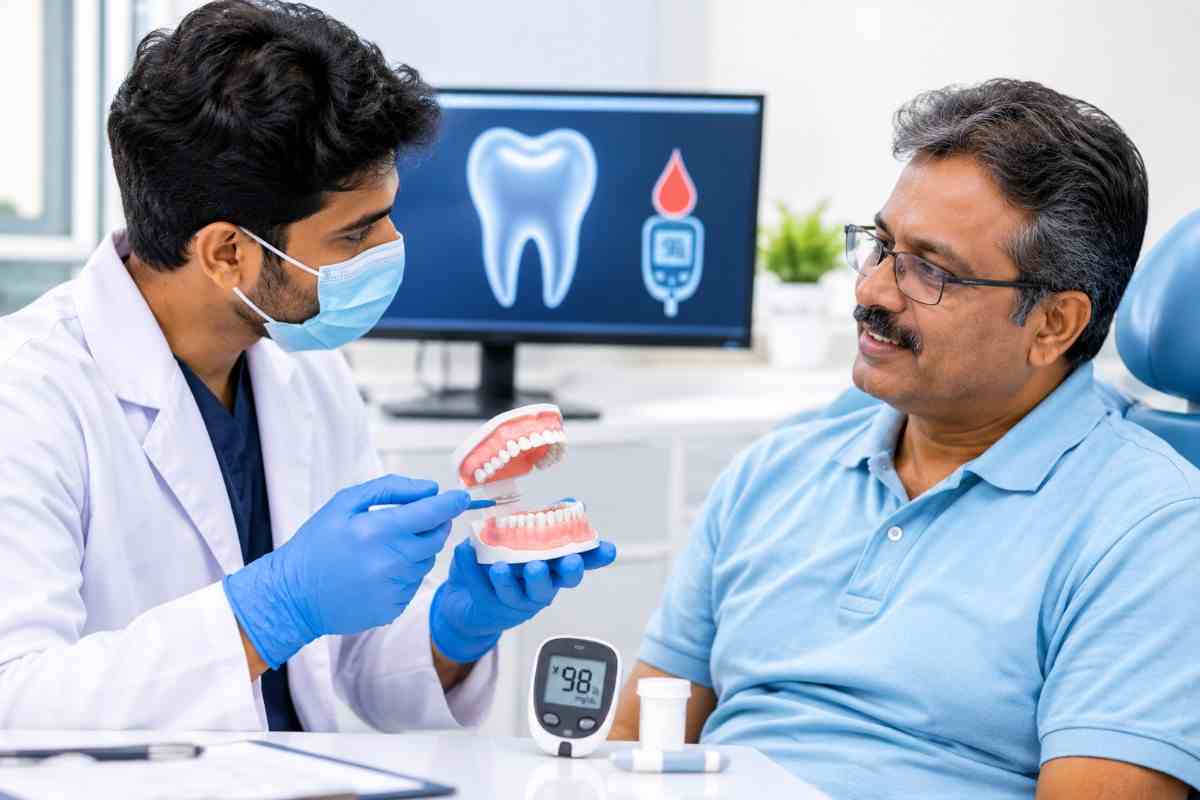
Diabetes is a long-term health condition that requires attention to several aspects of everyday well-being, including oral health. Many people understand the importance of monitoring blood sugar levels, following a suitable diet, and attending regular medical check-ups. However, they may not realise that diabetes can also affect their teeth, gums, and overall dental health.
People living with diabetes may have a higher risk of developing gum problems, oral infections, dry mouth, and delayed healing after certain dental procedures. This makes regular dental check-ups and good oral hygiene particularly important.
For patients looking for dental care in Puducherry, understanding the relationship between diabetes and oral health can help them make informed decisions. This guide explains common dental concerns, preventive measures, and important considerations when planning dental treatment.
How Does Diabetes Affect Oral Health?
Diabetes can influence the body's ability to manage infections and heal damaged tissues. When blood glucose levels remain high, certain oral health problems may become more difficult to control.
Some common dental concerns associated with diabetes include:
Gum disease: Diabetes can increase the risk of gum inflammation and periodontal disease.
Dry mouth: Reduced saliva can cause discomfort and increase the risk of tooth decay.
Oral infections: Some people with diabetes may be more susceptible to fungal infections and other oral infections.
Delayed healing: Healing after dental procedures may take longer, particularly when blood sugar is poorly controlled.
Tooth decay: Dry mouth and changes in oral health can contribute to a higher risk of cavities.
Not every person with diabetes experiences these problems. Individual risk depends on factors such as blood sugar management, oral hygiene, medications, and general health.
1 . Gum Disease and Diabetes: Understanding the Connection
Gum disease is one of the important oral health concerns for people living with diabetes.
It begins when plaque accumulates around the teeth and gumline. If it is not removed regularly, the gums may become inflamed.
Common warning signs of gum disease
Watch for symptoms such as:
Red or swollen gums.
Bleeding while brushing or flossing.
Persistent bad breath.
Gum tenderness.
Receding gums.
Loose teeth in advanced cases.
Diabetes and gum disease can influence each other. Poor blood sugar control can make gum infections more difficult to manage, while significant gum inflammation may also make blood glucose management more challenging.
Regular dental examinations and professional cleaning can help identify gum problems before they become more serious.
2 . Why Blood Sugar Control Matters Before Dental Treatment
Blood sugar management is an important consideration when planning dental procedures.
High blood glucose levels may affect the body's ability to fight infections and repair tissues. This can influence recovery after treatments such as tooth extractions, gum procedures, and dental implant placement.
Before undergoing dental treatment, patients should inform their dentist about:
Their diabetes diagnosis and how long they have had the condition.
Recent blood glucose readings or HbA1c results, if available.
Diabetes medications and insulin use.
Any history of delayed wound healing.
Other medical conditions or medications.
The dentist may consider the patient's overall health and coordinate with their treating physician when necessary.
Patients should not stop or change diabetes medication or insulin doses without advice from their healthcare provider.
3 . Dental Implants for Patients with Diabetes
Missing teeth can affect chewing, speech, and confidence. Dental implants are one option for replacing missing teeth, but diabetes requires careful consideration during treatment planning.
Can people with diabetes get dental implants?
Some patients with diabetes may be suitable candidates for dental implants. However, eligibility depends on individual health, blood sugar management, gum condition, bone availability, and other clinical factors.
Poorly controlled diabetes may increase the risk of complications, including infection and problems with healing around the implant.
What should patients consider?
Before implant treatment, the dentist may evaluate:
General health and diabetes management.
Gum health and existing infections.
Jawbone condition.
Oral hygiene habits.
Medications and relevant medical history.
Digital dental technology can support treatment planning by helping the dental team assess relevant oral structures and understand the patient's treatment requirements.
At Dr Mugilan's Dental Clinic and Implant Center, dental implants and digital dentistry are among the services available. Patients can discuss their medical history and suitability for treatment during a consultation.
4 . Root Canal Treatment and Tooth Decay in Diabetic Patients
Tooth decay can progress into the deeper layers of a tooth if it is not treated early. When the pulp becomes infected or inflamed, root canal treatment may be recommended to preserve the natural tooth.
People with diabetes should not ignore symptoms such as:
Persistent toothache.
Pain while chewing.
Sensitivity to hot or cold foods.
Swelling around a tooth.
Pus or signs of infection.
A dental examination helps identify the cause of discomfort and determine the appropriate treatment.
Root canal treatment may help preserve an affected natural tooth when clinically suitable. The treatment decision depends on the extent of damage and the condition of the tooth.
Patients should inform the dentist about their diabetes and current medications before treatment so that appropriate precautions can be considered.
5 . Dry Mouth and Its Effect on Dental Health
Dry mouth is another concern that some people with diabetes may experience. It can be associated with blood glucose levels, dehydration, or certain medications.
Saliva plays an important role in protecting teeth. It helps wash away food particles, supports the mouth's natural balance, and protects tooth surfaces.
When saliva production is reduced, patients may experience:
A sticky or dry feeling in the mouth.
Difficulty swallowing dry foods.
Frequent thirst.
Cracked lips.
Increased tooth decay.
Discomfort while speaking or eating.
Practical ways to manage dry mouth
Patients can consider the following habits:
Drink water regularly throughout the day, unless their doctor has advised fluid restrictions.
Maintain consistent oral hygiene.
Limit sugary drinks and frequent sweet snacks.
Ask a dentist about suitable saliva substitutes if needed.
Avoid tobacco and seek professional advice about persistent symptoms.
If dry mouth continues, a dental consultation can help identify possible causes and suitable management options.
6 . Daily Oral Hygiene Tips for People with Diabetes
A consistent oral hygiene routine can help reduce plaque accumulation and protect gum health.
Consider following these simple habits:
Brush twice daily
Use a soft-bristled toothbrush and fluoride toothpaste. Brush gently along the gumline and clean all tooth surfaces.
Clean between your teeth
Use dental floss or suitable interdental cleaning aids to remove food particles and plaque from areas that a toothbrush may not reach.
Maintain regular dental visits
Do not wait for pain or bleeding before visiting a dentist. Regular check-ups can help identify early signs of cavities and gum disease.
Follow a balanced diet
Choose foods that support general health and limit frequent consumption of sugary snacks and beverages. Follow dietary advice provided by your diabetes care team.
Avoid tobacco
Smoking and tobacco use can increase the risk of gum disease and interfere with oral healing.
7 . When Should Diabetic Patients Visit a Dentist?
People living with diabetes should maintain regular dental visits, even when they do not have noticeable symptoms.
Seek dental attention if you experience:
Bleeding or swollen gums.
Persistent bad breath.
Toothache or sensitivity.
Loose teeth.
Mouth sores that do not heal.
Swelling around the gums or jaw.
Signs of oral infection.
Facial swelling accompanied by fever, difficulty swallowing, or difficulty breathing requires urgent medical attention.
Early evaluation can help prevent minor dental concerns from progressing into more complicated problems.
Why Choose Dr Mugilan's Dental Clinic and Implant Center in Puducherry?
Managing oral health with diabetes requires an approach that considers both dental needs and general medical history.
Dr Mugilan's Dental Clinic and Implant Center is a modern, multi-speciality digitalized dental clinic in Puducherry, equipped with dental technologies to support different treatment requirements.
The clinic offers services including:
Dental implants.
Invisalign aligners.
Smile designing.
Complete and removable dentures.
TMD disorder care.
Tooth caps and veneers.
Root canal treatments.
Kids dentistry.
Full mouth rehabilitation.
Patients living with diabetes can discuss their oral health concerns, medical history, and treatment requirements during a dental consultation. The dental team can assess their condition and explain suitable treatment options based on individual needs.
To learn more about the clinic and its dental services, visit https://drmugilandentistry.com/.
Final Thoughts
Diabetes can influence gum health, saliva production, infection risk, and healing after dental procedures. However, maintaining good blood sugar management, following a consistent oral hygiene routine, and attending regular dental check-ups can help reduce oral health risks.
Whether you need preventive dental care, treatment for gum problems, a root canal, or an assessment for dental implants, it is important to discuss your diabetes and medical history with your dentist before treatment.
If you are looking for dental care in Puducherry, Dr Mugilan's Dental Clinic and Implant Center can help you understand your oral health concerns and explore appropriate treatment options.
Visit https://drmugilandentistry.com/ to learn more about the clinic and contact the team for consultation and appointment enquiries.