Teeth Grinding During Sleep in Puducherry: Causes, Warning Signs, and How Dental Care Can Help Protect Your Teeth
Do you wake up with jaw soreness, morning headaches, or sensitive teeth? Teeth grinding during sleep, also known as sleep bruxism, can gradually affect your teeth and jaw. Learn about common warning signs, possible causes, and how a dental evaluation can help you understand your treatment options.

Dr Mugilan's Dental Team
·7 min read
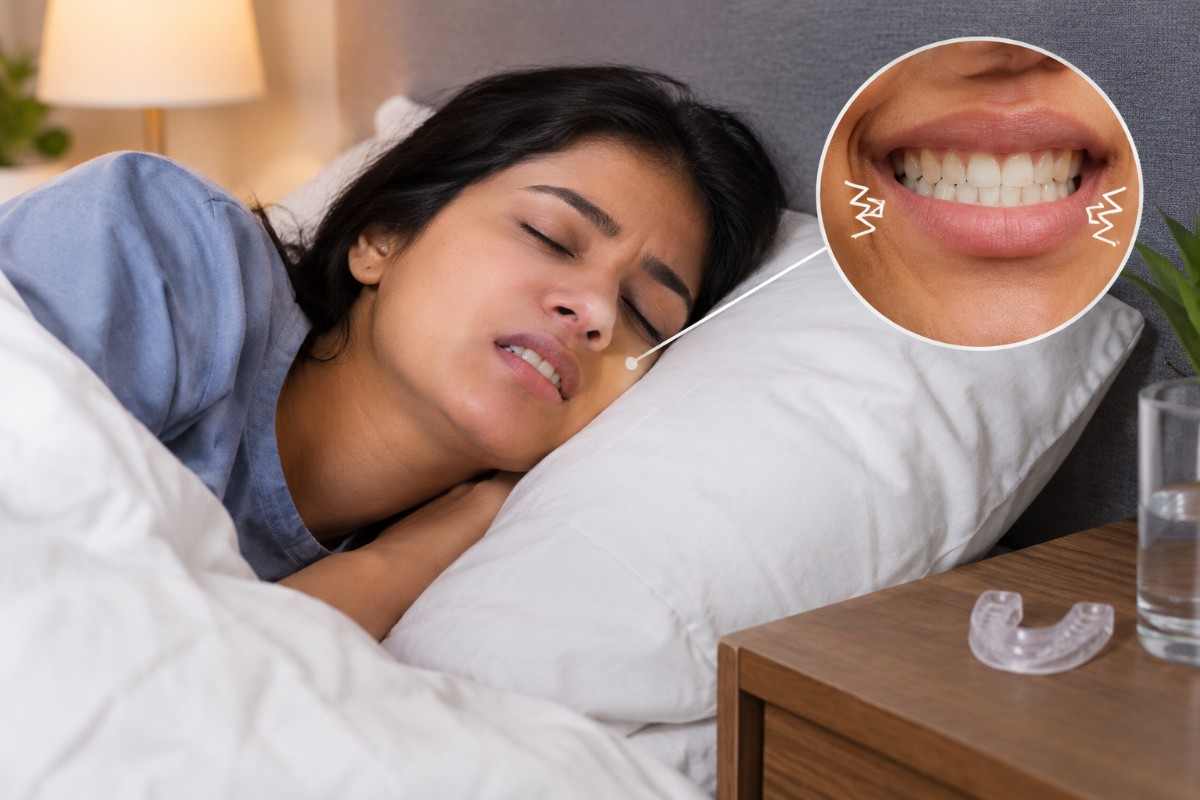
Have you ever woken up with jaw discomfort, a dull headache, or teeth that feel unusually sensitive? These symptoms can sometimes be associated with teeth grinding during sleep, a condition known as sleep bruxism. Many people are unaware that they grind or clench their teeth until a family member notices the sound or a dentist identifies signs of tooth wear.
Although occasional teeth grinding may not always cause significant problems, repeated grinding can put pressure on the teeth, jaw muscles, and surrounding structures. Understanding the warning signs and seeking an appropriate dental evaluation can help you protect your oral health.
For people looking for dental care in Puducherry, learning about sleep bruxism is a useful first step toward recognizing the problem and exploring suitable management options.
What Is Teeth Grinding During Sleep?
Sleep bruxism is an activity in which a person repeatedly clenches or grinds their teeth while asleep. Clenching involves pressing the upper and lower teeth together, while grinding involves moving them against each other.
It can occur in adults and children, and some people may experience it without obvious symptoms. Others may develop tooth wear, jaw muscle discomfort, or sensitivity over time.
Teeth grinding is not always caused by a dental problem alone. Sleep patterns, stress, certain medications, and other health-related factors may contribute. A dentist can assess the condition and help determine whether further evaluation is appropriate.
Common Warning Signs of Sleep Bruxism
Because grinding often happens during sleep, you may not notice it directly. Instead, you might experience symptoms when you wake up or during the day.
1. Jaw soreness or muscle fatigue
Your jaw muscles may feel tired, tight, or uncomfortable in the morning. The discomfort may improve as the day progresses, although persistent or severe pain needs professional assessment.
2. Morning headaches
Some people experience headaches around the temples after sleeping. Muscle tension may contribute, but headaches have many possible causes, so they should not automatically be attributed to teeth grinding.
3. Tooth sensitivity
Repeated pressure and tooth wear may contribute to sensitivity when consuming hot, cold, or sweet foods and drinks. However, sensitivity can also result from cavities, gum recession, cracks, or other dental conditions.
4. Worn or chipped teeth
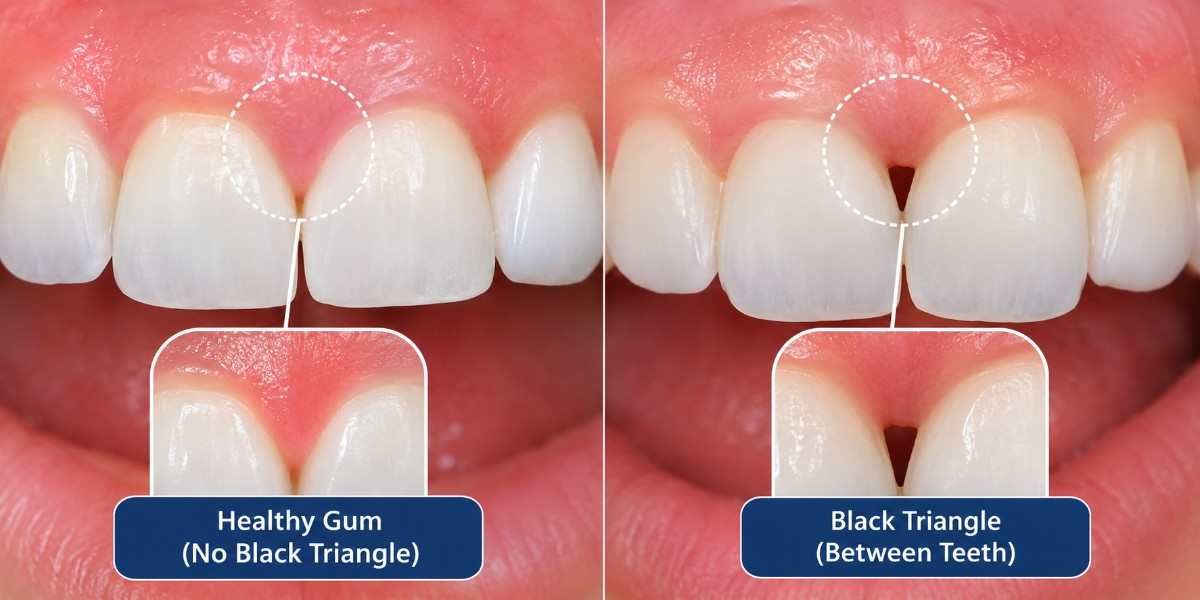
Frequent grinding may gradually flatten tooth surfaces or contribute to small chips and cracks. Existing fillings, crowns, and other restorations may also experience additional stress.
5. Clicking or discomfort around the jaw
Some people who grind their teeth also experience jaw joint symptoms. Clicking, restricted movement, or pain can have several causes, so a dental examination is important to distinguish between them.
If you notice these symptoms repeatedly, consider scheduling a dental consultation rather than waiting for the discomfort to worsen.
What Causes Teeth Grinding During Sleep?
There is no single explanation for every case of sleep bruxism. Several factors may be involved, and sometimes the exact cause is unclear.
Stress and emotional tension
Stress and anxiety may be associated with increased clenching or grinding in some individuals. Relaxation techniques and healthy routines may help manage stress, although they do not replace dental assessment when symptoms are present.
Sleep-related factors
Sleep bruxism can occur alongside certain sleep disturbances. If you also experience loud snoring, pauses in breathing during sleep, or excessive daytime sleepiness, discuss these symptoms with a healthcare professional. Further assessment may be appropriate.
Medications and lifestyle factors
Certain medications can contribute to bruxism in some people. Caffeine, alcohol, and nicotine may also be relevant factors for some individuals.
Do not stop prescribed medication on your own. If you suspect a medication is contributing to grinding, speak with the prescribing healthcare professional.
Other contributing factors
Individual differences in sleep patterns, nervous system activity, and general health may influence teeth grinding. The condition should not automatically be blamed on a misaligned bite, as the relationship between bite characteristics and bruxism is more complex.
How Can Teeth Grinding Affect Your Oral Health?
Repeated grinding can place excessive forces on the teeth and jaw muscles. The effects vary depending on how frequently grinding occurs, its intensity, and the person's existing oral health.
Possible consequences include:
Progressive wear of tooth enamel
Increased tooth sensitivity
Chipped teeth or dental restorations
Jaw muscle soreness
Discomfort when chewing
Damage that may require restorative dental treatment
Not everyone with sleep bruxism develops these complications. Early assessment can help identify existing damage and determine whether preventive measures are needed.
How Is Sleep Bruxism Evaluated by a Dentist?
A dental evaluation usually begins with a discussion of your symptoms and medical history.
Your dentist may ask whether you wake up with headaches, whether anyone has heard you grinding your teeth, and whether you have noticed jaw discomfort or sensitivity.
Examination of the teeth and jaw
The dentist may examine tooth surfaces for unusual wear, chips, cracks, and damage to existing restorations. The jaw muscles and movement may also be assessed when appropriate.
Understanding possible contributing factors
Your dentist may review relevant medications, sleep-related symptoms, and other factors that could be associated with grinding.
If the symptoms suggest another condition, such as a sleep-related breathing disorder, the dentist may recommend evaluation by an appropriate healthcare professional.
A diagnosis should be based on the overall clinical picture rather than a single symptom.
Treatment and Management Options for Teeth Grinding
There is no one-size-fits-all treatment for sleep bruxism. The approach depends on the severity of symptoms, evidence of tooth damage, and any contributing factors identified during assessment.
1. Custom-made night guards
A dentist may recommend a custom-made oral appliance, sometimes called a night guard or occlusal splint, to help protect the teeth from grinding forces.
These appliances can reduce direct tooth-to-tooth damage, but they do not necessarily eliminate the grinding activity itself. The dentist will determine whether an appliance is appropriate and explain how to use and maintain it.
2. Stress management and relaxation
If stress appears to contribute to your symptoms, regular physical activity, relaxation exercises, and a consistent bedtime routine may be helpful.
Avoiding excessive caffeine, particularly later in the day, may also be worth considering if it affects your sleep.
3. Addressing associated sleep problems
When symptoms suggest a sleep disorder, further evaluation may be needed. Treating an associated condition can be an important part of an individual's overall care plan.
4. Repairing damaged teeth
If grinding has already damaged a tooth, the dentist may discuss suitable restorative options based on the extent of the damage. These could include fillings, crowns, or other treatments when clinically indicated.
Restorative treatment addresses the damage rather than automatically curing the underlying grinding, so ongoing protection and monitoring may still be necessary.
How Digital Dentistry Can Support Dental Assessment
Digital dental technology can assist with selected aspects of examination, treatment planning, and documenting changes in the teeth.
Depending on the patient's needs, digital imaging or intraoral scanning may help a dental team assess tooth structure, plan certain restorations, or evaluate how a dental appliance fits.
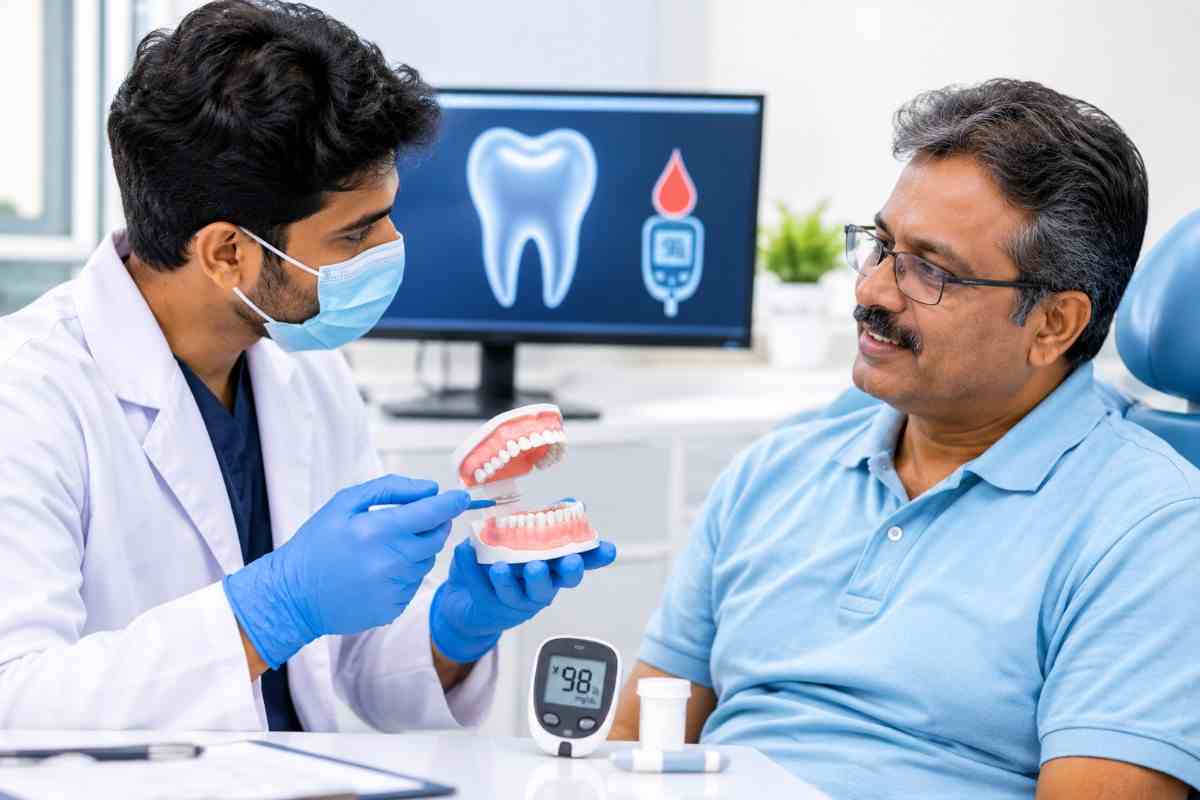
At Dr Mugilan's Dental Clinic and Implant Center, a modern, multi-speciality dental clinic in Puducherry, patients can discuss their dental concerns and explore appropriate assessment and treatment options. The clinic offers a range of dental services, including digital dentistry, tooth caps and veneers, root canal treatments, and care for temporomandibular disorders.
The appropriate approach to teeth grinding depends on an individual examination. Digital tools can support clinical care when indicated, but they do not independently diagnose every cause of bruxism or replace professional judgment.
When Should You Seek Dental Care?
Consider booking a dental consultation if you experience repeated morning jaw soreness, unexplained tooth sensitivity, visible tooth wear, chipped teeth, or persistent discomfort while chewing.
Seek prompt dental advice if a tooth cracks, a restoration breaks, or pain becomes significant. Severe jaw pain, difficulty opening the mouth, or rapidly worsening symptoms also require timely assessment.
If you have symptoms such as loud snoring or interrupted breathing during sleep, discuss them with a healthcare professional rather than assuming that teeth grinding is the only issue.
Early evaluation can help identify the source of your symptoms and reduce the risk of preventable dental damage.
Conclusion
Teeth grinding during sleep can go unnoticed for a long time, but repeated grinding may affect tooth surfaces, dental restorations, and jaw comfort. Recognizing warning signs such as morning soreness, sensitivity, and unusual tooth wear can help you seek advice before the problem progresses.
The right management plan depends on the cause, symptoms, and extent of any damage. A dental professional can assess your oral health, discuss protective options, and recommend further evaluation when necessary.
If you are experiencing possible signs of sleep bruxism, contact Dr Mugilan's Dental Clinic and Implant Center to discuss your concerns and arrange a consultation. Visit https://drmugilandentistry.com/ for clinic information and appointment enquiries.