Gum Disease and Dental Implants in Puducherry: How Healthy Gums Support Long-Term Tooth Replacement
Healthy gums play an important role in supporting dental implants and maintaining oral health. Learn how gum disease can affect tooth replacement, which warning signs to watch for, and how professional gum care and digital dental planning can help patients in Puducherry prepare for implant treatment.
Dr Mugilan's Dental Team
·8 min read

Dental implants are a popular option for replacing missing teeth, helping restore chewing function and the appearance of a natural smile. However, successful implant treatment involves more than replacing a missing tooth. The health of the gums and the supporting jawbone also plays an important role.
For patients considering dental implants in Puducherry, understanding the connection between gum disease and implant treatment can help them make informed decisions. Gum problems do not automatically rule out dental implants, but they may need to be treated before implant placement.
- At Dr Mugilan's Dental Clinic and Implant Center, patients can explore dental treatment options and discuss their oral health needs with a dental professional.
- What Is Gum Disease?
- Gum disease, also known as periodontal disease, is an inflammatory condition affecting the tissues that support the teeth. It commonly begins when plaque, a sticky film of bacteria, accumulates around the teeth and gumline.
If plaque is not removed effectively, it can harden into tartar, which cannot be removed through ordinary brushing alone. Over time, this buildup can irritate the gums and lead to inflammation.
- Gum disease generally progresses through two stages.
- Gingivitis
- Gingivitis is the early stage of gum disease. Common signs include:
- Red or swollen gums
- Bleeding while brushing or flossing
- Gum tenderness
- Persistent bad breath
- At this stage, the condition is often reversible with professional cleaning and improved daily oral hygiene.
- Periodontitis
- If gingivitis is left untreated, it may progress to periodontitis. This more advanced condition can damage the tissues and bone supporting the teeth.
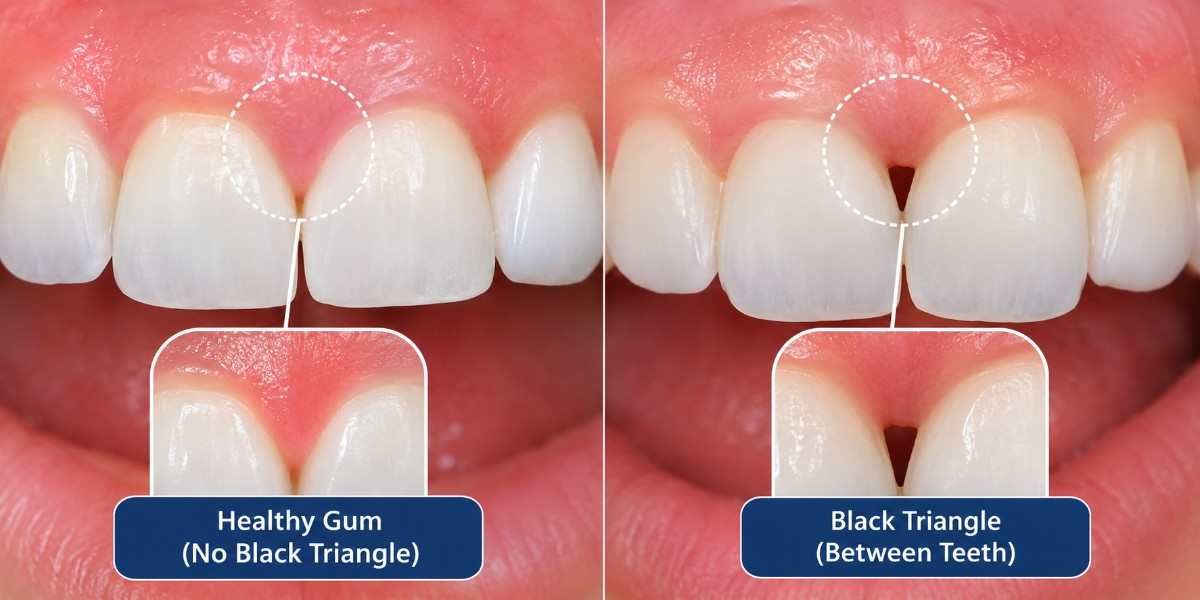
Possible signs include gum recession, loose teeth, changes in the way teeth fit together, and spaces developing between teeth.
- Periodontitis can lead to tooth loss if it is not managed appropriately. Because dental implants depend on healthy supporting tissues, existing gum disease should be assessed before implant treatment begins.
- How Does Gum Disease Affect Dental Implants?
- Dental implants are placed into the jawbone to support replacement teeth, such as crowns or bridges. Although implants do not develop cavities like natural teeth, the gums and bone around them can still become affected by bacterial inflammation.
- 1. It Can Affect the Tissues Supporting an Implant
- Active periodontal disease may indicate that harmful bacteria and inflammation are not adequately controlled. These conditions can also increase concerns about inflammation around a dental implant.
- Before implant placement, a dentist may recommend treating gum disease and establishing a suitable oral hygiene routine.
- 2. It May Increase the Risk of Implant Complications
- Patients with a history of periodontitis can have a greater risk of developing inflammation around dental implants, particularly when the original gum disease is not well controlled.
- Two conditions are especially important to understand:
- Peri-implant mucositis: Inflammation of the soft tissue around an implant, without progressive supporting bone loss.
- Peri-implantitis: Inflammation around an implant accompanied by progressive loss of the supporting bone.
- Both conditions require professional assessment. Early identification and appropriate care can help manage inflammation and reduce the risk of further damage.
- 3. It Can Affect Treatment Planning
- Advanced gum disease may cause bone loss around natural teeth. When a tooth is missing or needs extraction, the amount and quality of the remaining jawbone help determine whether an implant can be placed.
- A dental examination and appropriate imaging can help the dentist assess bone support and identify whether additional treatment may be needed.
- Can You Get Dental Implants If You Have Gum Disease?
- Yes, many patients with a history of gum disease can still be candidates for dental implants. The important consideration is whether the condition has been properly assessed and brought under control.
- Treatment depends on the severity of the gum disease, the condition of the remaining teeth, the amount of supporting bone, and the patient's overall oral health.
- Step 1: Complete a Dental Examination
- The dentist evaluates the gums, teeth, existing restorations, and areas of missing teeth. They may measure gum pockets and look for signs of inflammation, recession, or bone loss.
- Step 2: Treat Active Gum Disease
- Depending on the diagnosis, treatment may include professional scaling, deep cleaning below the gumline, improved oral hygiene, and other periodontal procedures when necessary.
- The goal is to reduce inflammation and establish a healthier oral environment before implant treatment.
- Step 3: Assess the Jawbone
- Dental imaging may be recommended to evaluate the available bone and plan implant placement. Digital imaging, including three-dimensional scans when clinically appropriate, can provide useful information about the anatomy of the treatment area.
- Not every patient requires the same type of scan. The dentist will recommend imaging based on individual needs.
- Step 4: Plan the Implant Treatment
- Once gum health and bone support have been evaluated, the dentist can discuss suitable options. These may include implant placement, additional procedures where indicated, or alternative tooth replacement methods.
- Treatment timing varies from patient to patient. Some people may be ready for implant placement after gum treatment, while others may need a longer period of monitoring or additional care.
- Warning Signs of Gum Problems You Should Not Ignore
- Recognising gum disease early can help protect your natural teeth and support future tooth replacement options.
- Look out for these symptoms:
- Bleeding gums during brushing or flossing
- Swelling or redness around the gumline
- Persistent bad breath or an unpleasant taste
- Gums that appear to be pulling away from the teeth
- Teeth that feel loose or have changed position
- Pain or discomfort while chewing
- Gum disease does not always cause pain in its early stages. Therefore, the absence of discomfort does not necessarily mean your gums are healthy.
- If you notice these symptoms, arrange a dental examination rather than waiting for the condition to worsen.
- How to Maintain Healthy Gums Before and After Dental Implants
- Good daily habits and regular professional care are important before implant treatment and throughout the life of an implant-supported restoration.
- Brush and Clean Between Your Teeth Daily
- Brush twice a day using a fluoride toothpaste and a soft-bristled toothbrush. Clean between your teeth every day using suitable interdental cleaning tools or dental floss.
- Your dentist can demonstrate the most appropriate technique for your teeth and gum condition.
- Attend Regular Dental Check-Ups
- Professional examinations help identify gum inflammation, plaque buildup, and other concerns before they become more serious.
- After implant treatment, your dentist may recommend a personalised maintenance schedule based on your gum health and individual risk factors.
- Avoid Tobacco
- Smoking and other forms of tobacco use can impair gum health and increase the risk of periodontal and implant-related complications. Avoiding tobacco can support better oral health outcomes.
- Follow Your Implant Care Instructions
- Implant-supported crowns and bridges need regular cleaning. Your dentist may recommend specific brushes or interdental aids to clean around the implant restoration effectively.
- Never ignore bleeding, swelling, discharge, or increasing discomfort around an implant. These symptoms should be assessed by a dental professional.
- How Digital Dentistry Supports Dental Implant Planning
- Digital dental technologies can help clinicians evaluate the treatment area and plan implant placement according to the patient's anatomy.
Depending on the case, the planning process may involve digital scans, dental imaging, and computer-assisted assessment of the proposed implant position.
These tools can help the dental team evaluate available bone, consider nearby anatomical structures, and plan the position of the implant-supported tooth.
However, digital technology does not replace a clinical examination or guarantee a particular treatment outcome. The final treatment plan should consider gum health, bone support, medical history, oral hygiene, and the patient's expectations.
- At Dr Mugilan's Dental Clinic and Implant Center, patients can enquire about dental implants and other treatment options, including root canal treatments, tooth caps and veneers, removable and complete dentures, Invisalign aligners, and full mouth rehabilitation.
- Why Gum Maintenance Matters After Implant Treatment
- Receiving a dental implant is not the end of oral care. Long-term maintenance helps protect the surrounding tissues and identify potential problems early.
Even when an implant feels comfortable, plaque can accumulate around the restoration. Inadequate cleaning may lead to inflammation, while untreated peri-implantitis can damage supporting bone.
Attend recommended follow-up visits, maintain daily cleaning habits, and seek professional advice if you notice changes around your implant.
- Patients with a history of periodontal disease may need closer monitoring because their risk of future gum problems can be higher.
- Consult Dr Mugilan's Dental Clinic and Implant Center in Puducherry
- Healthy gums are an important part of planning for dental implants. Treating active gum disease, evaluating the jawbone, and maintaining consistent oral hygiene can help create better conditions for tooth replacement.
If you have missing teeth, bleeding gums, loose teeth, or concerns about your suitability for dental implants, a dental consultation can help clarify your options.
Dr Mugilan's Dental Clinic and Implant Center is a multi-speciality dental clinic in Puducherry offering dental implants and a range of restorative, cosmetic, orthodontic, and general dental services.
Visit https://drmugilandentistry.com/ to learn more about the clinic and enquire about a consultation or appointment.
Taking care of your gums today can help you make better-informed decisions about your long-term oral health and tooth replacement needs.