Dental Implant Failure in Puducherry: Early Warning Signs, Common Causes, and How to Protect Your Dental Implants for Long-Term Success
Dental implants can help replace missing teeth, but proper healing and ongoing oral care are essential for long-term stability. Learn about the early warning signs of dental implant complications, common risk factors, and practical ways to protect your implants with professional guidance in Puducherry.
Dr Mugilan's Dental Team
·8 min read
Dental implants are a widely used option for replacing missing teeth, helping restore chewing function, appearance, and confidence. However, like any dental treatment, implants require proper planning, healing, and ongoing care. Recognising potential complications early can help patients seek timely treatment and protect their oral health.
- For patients considering or already having dental implants in Puducherry, understanding the warning signs of implant problems is an important part of maintaining a healthy smile. Dr Mugilan's Dental Clinic and Implant Center offers dental implant services and modern digital dental technology to support assessment and treatment planning based on individual needs.
- What Is Dental Implant Failure?
- A dental implant is a small post, commonly made of titanium, placed in the jawbone to support a replacement tooth. Over time, the implant is expected to integrate with the surrounding bone through a process called osseointegration.
Dental implant failure occurs when an implant does not integrate properly, becomes unstable, or develops complications that prevent it from functioning as intended.
- Implant problems are often discussed in two categories:
- Early failure: Occurs when the implant does not integrate adequately with the jawbone during the healing period.
- Late failure: Develops after the implant has been functioning for some time, potentially because of infection, bone loss, excessive loading, or other complications.
- Not every uncomfortable sensation means an implant is failing. A dental examination is necessary to identify the cause and determine whether the implant can be maintained or requires further treatment.
- Early Warning Signs of Dental Implant Problems
- Recognising unusual changes around an implant can help patients obtain appropriate care before a problem progresses.
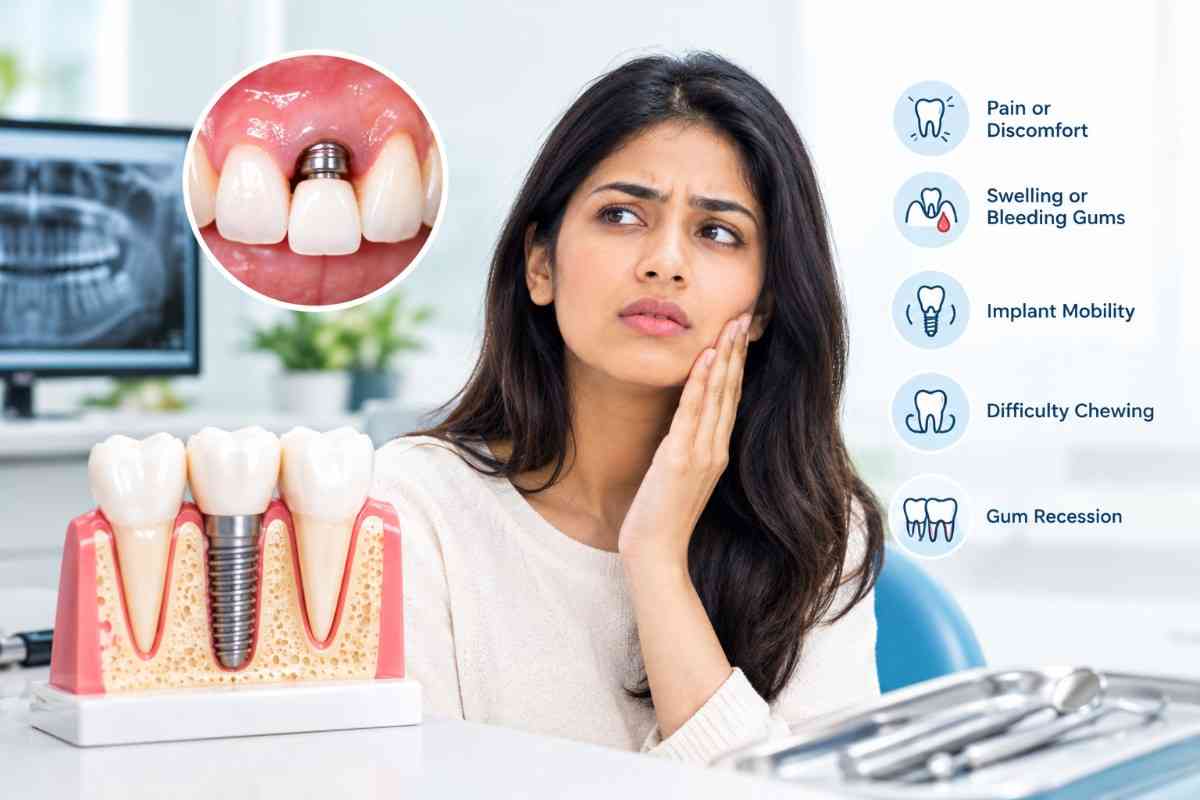
- 1. Persistent Pain or Discomfort
- Some discomfort is expected immediately after implant surgery. It should generally improve as healing progresses.
- Pain that persists, returns after improving, or becomes increasingly severe may indicate inflammation, infection, excessive pressure, or another complication. Patients should contact their dentist if discomfort does not follow the expected recovery pattern.
- 2. Swelling, Redness, or Bleeding Around the Implant
- Healthy gum tissue should not remain persistently inflamed around a healed implant.
Redness, swelling, bleeding during brushing, or tenderness may indicate inflammation around the implant. One possible condition is peri-implant mucositis, which affects the soft tissues surrounding an implant.
- If inflammation progresses and begins to damage the supporting bone, it may develop into peri-implantitis. Early assessment is important because treatment depends on the extent of tissue involvement.
- 3. Implant or Replacement Tooth Mobility
- A dental implant should not move within the jawbone once it has successfully integrated.
If the implant itself feels loose, seek prompt professional evaluation. However, movement may sometimes involve the crown, connecting screw, or another component rather than the implant embedded in the bone.
- A dentist can identify the source of the movement and determine the appropriate repair.
- 4. Difficulty Chewing or Changes in Your Bite
- If chewing becomes uncomfortable or the replacement tooth feels higher than the surrounding teeth, the bite may require assessment.
Uneven contact can place excessive forces on the implant restoration. A loose component, changes in the surrounding teeth, or another dental problem may also cause discomfort.
- Do not attempt to tighten or adjust implant components yourself.
- 5. Gum Recession or Visible Changes Around the Implant
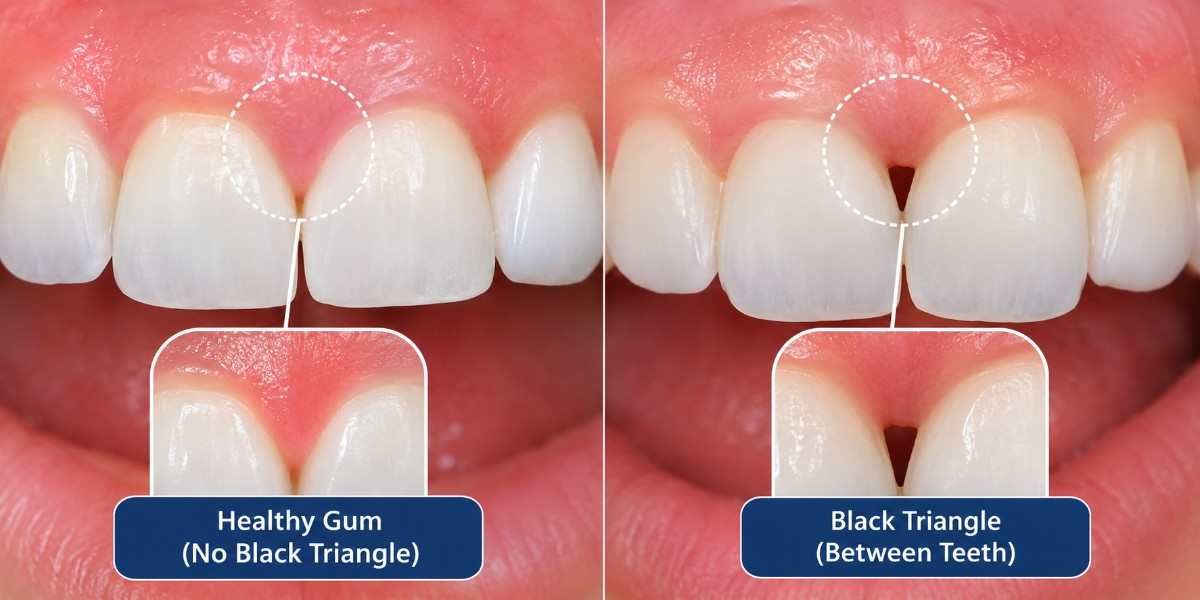
- Gum tissue around an implant may change over time. Recession, exposed implant components, or changes in the appearance of the surrounding gums should be assessed, particularly when accompanied by bleeding or discomfort.
- These signs do not automatically mean the implant has failed, but they may indicate a need for professional evaluation.
- Common Causes of Dental Implant Failure
- Dental implant complications can develop for several reasons. Understanding the contributing factors helps patients make informed decisions about treatment and aftercare.
- Poor Osseointegration
- Successful implants depend on adequate integration between the implant and the jawbone. This process can be affected by bone quality, surgical factors, healing difficulties, and certain health conditions.
- If the implant does not become sufficiently stable, it may not be suitable for immediate or continued loading.
- Peri-Implantitis and Poor Oral Hygiene
- Plaque can accumulate around dental implants just as it does around natural teeth. If plaque is not adequately controlled, inflammation may develop in the surrounding tissues.
Peri-implantitis involves inflammation accompanied by progressive loss of supporting bone. It can threaten implant stability if left untreated.
- Brushing carefully, cleaning between teeth, and attending regular professional maintenance appointments are essential parts of implant care.
- Smoking and Tobacco Use
- Smoking can impair healing and is associated with an increased risk of implant complications. Tobacco use may also negatively affect gum health and the body's response to treatment.
- Patients who smoke should discuss their habits with their dentist before implant surgery and seek advice on reducing or stopping tobacco use.
- Uncontrolled Medical Conditions
- Certain medical conditions, including poorly controlled diabetes, may affect healing and the risk of complications.
- Patients should provide their dentist with an accurate medical history and information about their medications. This allows the dental team to plan treatment and follow-up appropriately.
- Excessive Bite Forces and Teeth Grinding
- Repeated excessive forces can contribute to mechanical problems involving implant crowns, screws, and other components. Teeth grinding and clenching may increase these forces in some patients.
- Your dentist may assess your bite and discuss protective options, such as a night guard, when appropriate.
- How Is Dental Implant Failure Diagnosed?
- A dental implant complication cannot be diagnosed reliably from symptoms alone. Professional assessment may include several steps.
Clinical examination: The dentist examines the implant, gum tissue, crown, and surrounding teeth for inflammation, mobility, or damage.
Dental imaging: X-rays may help assess the supporting bone and identify changes around the implant. Additional imaging may be recommended when clinically necessary.
Bite assessment: The dentist checks whether the replacement tooth contacts opposing teeth appropriately and whether excessive forces may be contributing to the problem.
Medical and dental history: Previous implant treatment, healing history, oral hygiene, tobacco use, medications, and relevant medical conditions may influence the assessment.
- At Dr Mugilan's Dental Clinic and Implant Center, patients can discuss their concerns and explore suitable diagnostic and treatment options based on their individual circumstances.
- Treatment Options for Dental Implant Complications
- Treatment depends on the type and severity of the problem. Some complications can be managed without removing the implant, while others may require more extensive intervention.
- Professional Cleaning and Gum Treatment
- Early inflammation around an implant may be managed through professional cleaning, improved home care, and regular monitoring.
- When peri-implantitis is present, treatment may involve more specialised cleaning and additional procedures depending on the extent of bone loss and tissue damage.
- Repairing the Implant Restoration
- If the implant itself is stable but the crown, screw, or another component is damaged or loose, the dentist may be able to repair or replace that component.
- The restoration should be assessed professionally to ensure that it fits correctly and functions appropriately.
- Managing Bite Problems
- When excessive bite forces contribute to implant complications, the dentist may adjust the restoration or recommend other measures to reduce damaging forces.
- Patients who grind their teeth may benefit from an individually planned protective appliance.
- Implant Removal and Replacement
- In severe cases, an implant that has lost adequate bone support or cannot be stabilised may need to be removed.
Replacement may be possible after the affected tissues have healed and the underlying cause has been addressed. Additional treatment, such as bone grafting, may be considered when appropriate.
- The decision to replace an implant depends on bone availability, gum health, medical factors, and the overall treatment plan.
- How to Protect Your Dental Implants for the Long Term
- Good maintenance can help reduce the risk of complications and support the long-term function of dental implants.
- Brush twice daily with fluoride toothpaste and a soft-bristled toothbrush.
- Clean between teeth and around implant restorations using suitable interdental cleaning tools.
- Attend regular dental checkups and professional implant maintenance appointments.
- Avoid smoking and other tobacco products.
- Follow your dentist's advice about diet and activity during recovery.
- Report persistent pain, bleeding, swelling, or unexpected movement promptly.
- Wear a recommended night guard if teeth grinding is placing excessive stress on your teeth or restorations.
- Implants do not develop tooth decay in the same way as natural teeth, but the surrounding gums and bone can still develop disease. Consistent care remains essential.
- Why Choose Professional Dental Implant Assessment in Puducherry?
- Dental implant treatment involves more than replacing a missing tooth. Proper assessment of bone support, gum health, bite function, and long-term maintenance requirements is important for planning treatment.
Dr Mugilan's Dental Clinic and Implant Center is a modern, multi-speciality dental clinic and implant center equipped with digital dental technology. Its services include dental implants, Invisalign aligners, smile designing, dentures, root canal treatments, tooth caps and veneers, and full mouth rehabilitation.
Patients experiencing implant-related discomfort or considering tooth replacement can explore the available services and discuss their needs with the clinic.
- Visit the official website for clinic information and appointment enquiries: https://drmugilandentistry.com/.
- Conclusion
- Dental implant failure can occur because of inadequate healing, infection, bone loss, excessive bite forces, or mechanical complications. Recognising warning signs such as persistent pain, bleeding gums, swelling, or unexpected movement can help patients seek timely care.
With appropriate treatment planning, regular professional monitoring, and good oral hygiene, many implant-related problems can be managed effectively. If you already have a dental implant or are considering implant treatment in Puducherry, professional guidance can help you understand the options suited to your oral health.
Contact Dr Mugilan's Dental Clinic and Implant Center through drmugilandentistry.com to explore dental implant services and arrange a consultation.
Medical note: This article is for general educational purposes and does not replace an individual dental examination or professional advice.