Dental Fluorosis in Puducherry: Causes of White Spots and Brown Stains on Teeth, Treatment Options, and How Cosmetic Dentistry Can Improve Your Smile
White spots, streaks, or brown stains on teeth may sometimes be signs of dental fluorosis, a condition that develops while teeth are forming. Understanding its causes and severity can help you explore suitable treatment options. Discover how a dental consultation and cosmetic dentistry can help improve the appearance of affected teeth.
Dr Mugilan's Dental Team
·8 min read
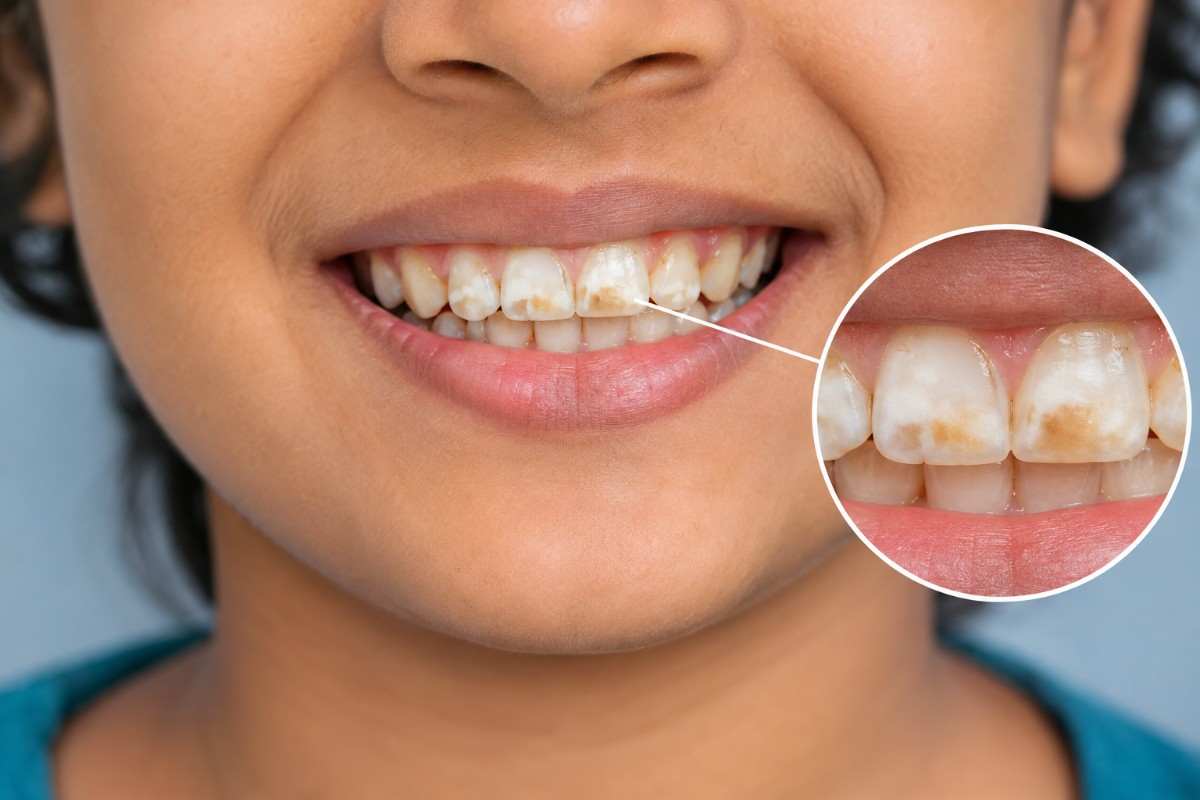
Have you noticed white patches, streaks, or brown stains on your teeth that do not disappear with regular brushing? These changes may sometimes be caused by a condition called dental fluorosis. Although fluorosis is generally associated with tooth development during childhood, its visible effects can remain throughout adulthood.
For people concerned about the appearance of their teeth, understanding dental fluorosis is the first step towards choosing an appropriate treatment. Modern cosmetic dentistry offers different options to improve the appearance of affected teeth, depending on the severity of the condition.
At Dr Mugilan's Dental Clinic and Implant Center, Puducherry, patients can explore suitable dental care options, including smile designing and veneers, based on an individual dental assessment.
What Is Dental Fluorosis?
Dental fluorosis is a change in the appearance of tooth enamel caused by excessive fluoride exposure while permanent teeth are developing. Fluoride is a mineral that helps strengthen enamel and protect teeth against cavities. However, consuming too much fluoride during childhood can affect the way enamel forms.
The condition usually develops before the permanent teeth erupt. Once the enamel has formed, dental fluorosis does not continue developing due to later fluoride exposure.
The appearance can vary from barely noticeable white lines to more visible brown discolouration and surface irregularities. The severity depends on the amount and duration of fluoride exposure during tooth development.
What Are the Common Signs of Dental Fluorosis?
Dental fluorosis can affect the appearance of teeth in different ways. Some people may have mild changes that are visible only under certain lighting conditions, while others may experience more noticeable discolouration.
Common signs include:
White spots or streaks: Small, chalky-white marks may appear on the enamel.
Cloudy patches: Some areas of the teeth may look lighter or less transparent than the surrounding enamel.
Brown stains: More pronounced fluorosis can cause brown or dark patches.
Enamel irregularities: In severe cases, the enamel surface may have small pits or rough areas.
Changes affecting several teeth: The condition often appears on multiple teeth that developed during the same period.
Not every white or brown mark on a tooth is fluorosis. Early tooth decay, enamel hypoplasia, certain developmental conditions, and other types of staining can look similar. A dental examination is important to identify the actual cause.
What Causes Dental Fluorosis?
Dental fluorosis develops when a child receives more fluoride than recommended over an extended period while permanent teeth are forming.
Possible sources of excessive fluoride exposure include:
High-fluoride drinking water: Naturally occurring fluoride levels in groundwater can vary between locations. Water with excessive fluoride may contribute to exposure.
Swallowing toothpaste: Young children who regularly swallow fluoride toothpaste instead of spitting it out may receive more fluoride than intended.
Multiple fluoride sources: Using several fluoride-containing products without appropriate guidance can increase overall exposure.
Incorrect supplement use: Fluoride supplements should only be used when recommended by a dental or healthcare professional after considering other fluoride sources.
It is important to remember that fluoride itself is not harmful when used appropriately. It plays a valuable role in preventing tooth decay. The goal is to maintain the right balance, particularly during childhood.
Is Dental Fluorosis Harmful to Oral Health?
Mild dental fluorosis is usually a cosmetic concern rather than a major oral health problem. The affected teeth may remain functional, and many people experience no pain or discomfort.
However, severe fluorosis can involve enamel pitting and surface irregularities. These changes may affect the appearance of teeth and sometimes make oral hygiene more challenging.
The main concerns include:
Self-consciousness about visible stains or patches.
Uneven tooth colour that affects smile appearance.
Rough or irregular enamel surfaces in more severe cases.
Difficulty distinguishing fluorosis from other enamel conditions without a dental examination.
A dentist can assess the enamel, check for other dental problems, and explain whether treatment is necessary.
How Is Dental Fluorosis Diagnosed?
Dental fluorosis is generally identified through a clinical examination. The dentist will look at the colour, texture, and distribution of the affected areas.
The assessment may include:
Reviewing when the discolouration was first noticed.
Examining whether several teeth have similar changes.
Checking for white streaks, brown patches, or enamel pitting.
Evaluating the overall condition of the teeth and gums.
Identifying whether the appearance could be caused by decay, staining, or another enamel condition.
Digital dental technology can support treatment planning and documentation when appropriate. However, a clinical examination remains essential for diagnosing the condition.
What Are the Treatment Options for Dental Fluorosis?
Treatment depends on the severity of fluorosis, the amount of enamel affected, the location of the stains, and the patient's expectations.
Not everyone needs treatment. Mild cases may only require monitoring, while more visible changes may benefit from cosmetic dental procedures.
1 . Professional Teeth Whitening
Professional whitening may help improve certain types of tooth discolouration. However, its suitability for fluorosis depends on the pattern and depth of the stains.
Whitening does not remove the underlying enamel changes, and in some cases, it may make white patches more noticeable temporarily. A dentist should assess the teeth before recommending this option.
2 . Enamel Microabrasion
Enamel microabrasion is a conservative cosmetic procedure that removes a very thin surface layer of enamel to reduce selected superficial stains or irregularities.
It may be suitable for certain mild cases, but it is not appropriate for every type or severity of fluorosis. The dentist must first evaluate the available enamel and expected results.
3 . Resin Infiltration
Resin infiltration is a minimally invasive technique that may help reduce the visibility of certain white enamel lesions by allowing a special resin material to penetrate the affected area.
Its suitability depends on the depth and nature of the enamel changes. It is not a universal solution for brown stains or severe fluorosis.
4 . Dental Veneers
Dental veneers are thin coverings placed on the front surfaces of teeth to improve their colour, shape, and overall appearance.
They may be considered when fluorosis causes noticeable discolouration that cannot be adequately addressed with more conservative methods.
At Dr Mugilan's Dental Clinic and Implant Center, patients can discuss whether veneers are appropriate for their individual smile concerns. The dentist will consider enamel condition, tooth structure, bite alignment, and long-term maintenance before recommending treatment.
5 . Dental Crowns
For severe enamel defects or teeth with significant structural damage, dental crowns may be considered. A crown covers the visible portion of a tooth and can help restore its shape, strength, and appearance.
Crowns generally require more tooth preparation than veneers, so they are not usually the first choice for mild cosmetic fluorosis.
Can Dental Fluorosis Be Prevented?
Dental fluorosis cannot be reversed once the affected enamel has formed. However, excessive fluoride exposure during childhood can be reduced through appropriate preventive measures.
Parents can consider the following steps:
Use an age-appropriate amount of fluoride toothpaste for children.
Supervise young children while brushing to reduce toothpaste swallowing.
Encourage children to spit out toothpaste rather than swallow it.
Check local drinking water fluoride levels if there are concerns about naturally high fluoride content.
Avoid giving fluoride supplements without professional advice.
Discuss the child's overall fluoride exposure with a dentist.
These steps help children receive the benefits of fluoride for cavity prevention while reducing the risk of excessive exposure.
Why Choose a Dental Consultation for Fluorosis in Puducherry?
White spots and brown stains can have different causes, and each condition may require a different approach. Choosing a treatment without identifying the underlying problem can lead to unnecessary procedures or disappointing results.
A professional dental consultation helps determine whether the discolouration is caused by fluorosis, tooth decay, or another enamel condition. It also allows the dentist to explain suitable treatment choices and their limitations.
Dr Mugilan's Dental Clinic and Implant Center in Anna Nagar, Puducherry, is a modern multi-speciality digital dental clinic offering services such as smile designing, tooth caps and veneers, dental implants, Invisalign aligners, root canal treatments, dentures, and full mouth rehabilitation.
- Digital dental technology can support assessment and treatment planning where appropriate, helping patients understand their available options before proceeding.
- Frequently Asked Questions
1 . Can dental fluorosis be removed completely?
Fluorosis-related enamel changes cannot be reversed naturally. However, selected cosmetic treatments may reduce the visibility of stains and improve the appearance of affected teeth.
2 . Does dental fluorosis cause tooth pain?
Mild fluorosis generally does not cause pain. Severe enamel defects may require dental evaluation, particularly if there is sensitivity, damage, or another underlying problem.
3 . Can adults develop dental fluorosis?
Dental fluorosis develops while teeth are forming during childhood. Adults may notice its appearance later, but it does not newly develop in fully formed teeth due to fluoride exposure in adulthood.
4 . Are veneers suitable for fluorosis stains?
Veneers may be an option for selected cases with noticeable discolouration. Suitability depends on enamel condition, the amount of affected tooth structure, and the patient's overall oral health.
5 . Are white spots on teeth always a sign of fluorosis?
No. White spots may also result from early tooth decay, enamel hypoplasia, or other conditions. A dental examination is necessary to identify the cause.
Improve Your Smile with the Right Dental Guidance
White patches, brown stains, and uneven enamel can affect how comfortable you feel about your smile. However, the right treatment begins with understanding what is causing the changes and choosing an option that suits your dental condition.
If you are concerned about dental fluorosis or visible enamel discolouration, consider scheduling a consultation at Dr Mugilan's Dental Clinic and Implant Center, Anna Nagar, Puducherry.
Visit https://drmugilandentistry.com/ to learn more about the clinic's dental services and find contact information for consultation and appointment booking. A dental professional can help you understand your options and plan suitable care for a healthier-looking smile.