Dental Care During Pregnancy in Puducherry: Common Oral Health Changes, Safe Dental Treatments, and Tips for Expecting Mothers
Pregnancy brings many changes to a woman's body, including her oral health. Hormonal fluctuations, morning sickness, and dietary changes can affect teeth and gums. Understanding these changes and choosing appropriate dental care can help expecting mothers maintain healthy smiles throughout pregnancy and prepare for their baby's arrival.
Dr Mugilan's Dental Team
·7 min read
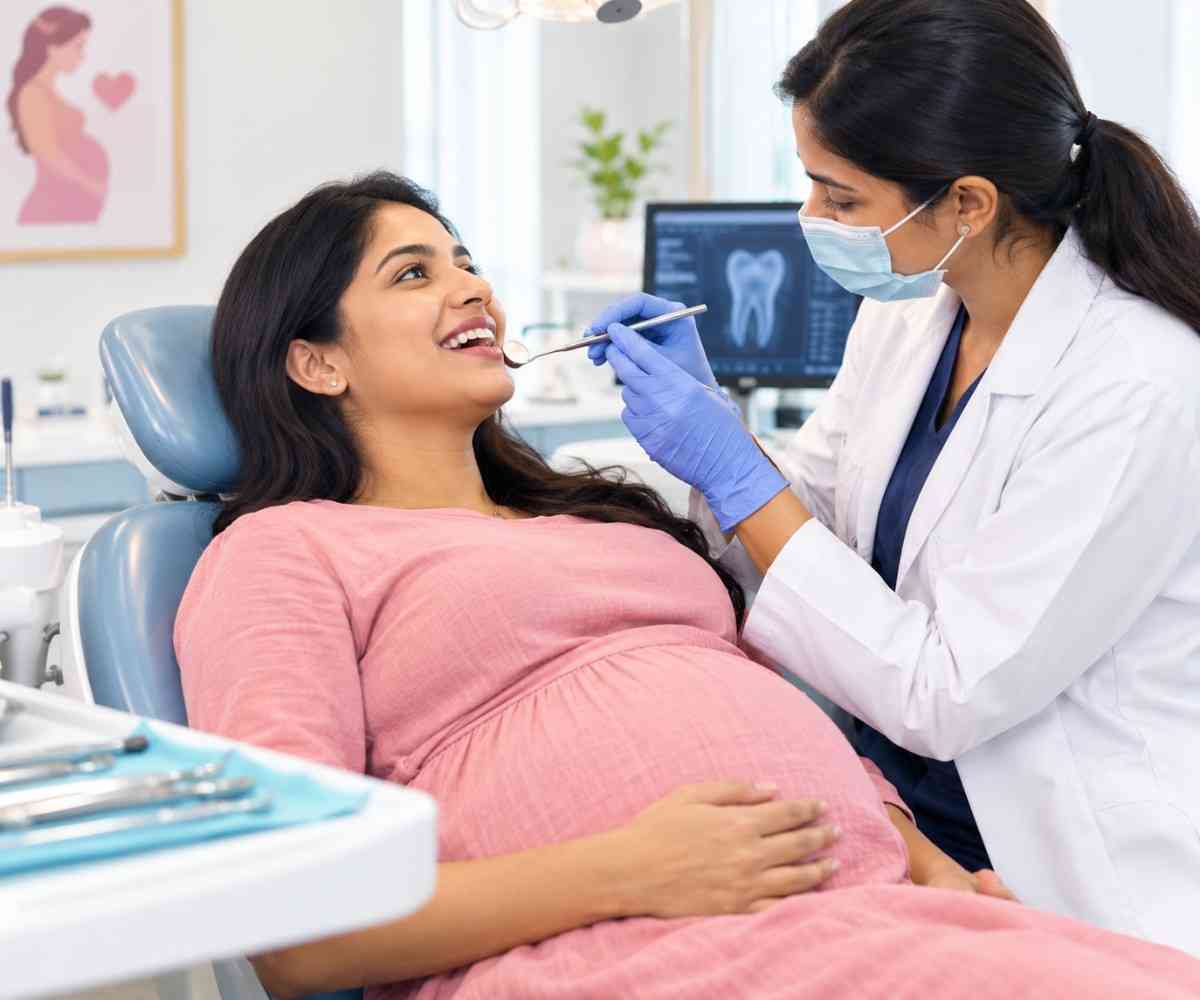
Pregnancy is an important stage in a woman's life, bringing several physical and hormonal changes. While expecting mothers naturally focus on their overall health and their baby's development, oral health is another important area that should not be overlooked. Changes in hormone levels, eating habits, and daily routines can influence the condition of teeth and gums during pregnancy.
Many women experience swollen gums, bleeding while brushing, increased tooth sensitivity, or other dental concerns during this period. Some may also postpone dental appointments because they are unsure whether dental treatments are safe during pregnancy.
The good news is that maintaining oral health through appropriate dental care is important throughout pregnancy. At Dr Mugilan's Dental Clinic and Implant Center, a modern multi-speciality dental clinic in Puducherry, patients can explore personalized dental care supported by advanced digital dental technology.
Let's understand the common dental changes during pregnancy, available treatment options, and practical ways expecting mothers can protect their oral health.
1. Why Does Pregnancy Affect Oral Health?
Hormonal changes during pregnancy can influence how the gums respond to plaque, the sticky layer of bacteria that forms on teeth. Even women who previously maintained good oral hygiene may notice changes in their gums.
Some common oral health concerns include:
Pregnancy gingivitis: Hormonal changes can make gums more sensitive, swollen, and likely to bleed during brushing or flossing.
Increased plaque accumulation: Changes in daily routines and oral hygiene habits may allow plaque to build up around the teeth.
Tooth decay: Frequent snacking, sugary food cravings, and changes in oral hygiene habits can increase the risk of cavities.
Tooth enamel erosion: Frequent vomiting or acid reflux can expose teeth to stomach acids, gradually weakening the enamel.
Dry mouth: Some pregnant women experience reduced saliva or a dry feeling in the mouth, which may contribute to discomfort and increase the risk of dental problems.
Recognizing these changes early allows expecting mothers to seek appropriate dental advice before minor concerns become more complicated.
2. Pregnancy Gingivitis: Why Do Gums Bleed During Pregnancy?
One of the most common dental concerns during pregnancy is pregnancy gingivitis.
It occurs when hormonal changes increase the gums' sensitivity to plaque bacteria. The gums may become red, swollen, tender, and more likely to bleed during brushing or flossing.
Common warning signs include:
Bleeding while brushing or cleaning between teeth.
Swollen or reddish gums.
Gum tenderness or discomfort.
Persistent bad breath.
Increased plaque around the gumline.
Ignoring these symptoms may allow gum inflammation to progress. Professional dental evaluation and appropriate cleaning can help manage the condition.
Expecting mothers should not stop brushing or flossing because their gums bleed. Instead, they should use a soft-bristled toothbrush and maintain gentle, consistent oral hygiene.
3. Is It Safe to Visit a Dentist During Pregnancy?
Yes. Dental visits are an important part of maintaining oral health during pregnancy.
Many expecting mothers avoid dental consultations because they worry that dental examinations, X-rays, local anaesthesia, or other treatments could affect their baby's development.
However, professional dental guidance from organizations such as the American Dental Association and the American College of Obstetricians and Gynecologists supports preventive, diagnostic, and necessary restorative dental care during pregnancy.
Depending on the patient's condition, appropriate dental care may include:
Routine dental examinations.
Professional teeth cleaning.
Treatment for cavities.
Dental fillings.
Root canal treatment when clinically necessary.
Management of gum infections.
The dentist should always be informed about the pregnancy, its stage, existing medical conditions, and any medications being taken.
Necessary dental X-rays may be considered when they are important for diagnosis. The dentist will evaluate the need for imaging and follow appropriate radiation-safety protocols.
For treatments involving medication, sedation, or more complex procedures, coordination with the patient's obstetrician is important.
Elective cosmetic procedures, such as veneers and smile enhancement treatments, can generally be planned for a more suitable time after pregnancy.
4. How Does Morning Sickness Affect Your Teeth?
Morning sickness is common during pregnancy, and repeated vomiting can expose teeth to stomach acid.
This acid can gradually weaken the protective enamel, increasing the risk of tooth sensitivity and erosion.
Some useful precautions include:
Rinse your mouth with plain water after vomiting.
Avoid brushing immediately after vomiting because enamel may temporarily be softened by acid exposure.
Consider rinsing with a solution of one teaspoon of baking soda in a cup of water.
Drink sufficient water throughout the day.
Limit frequent consumption of acidic beverages.
Maintain regular dental checkups.
If vomiting or acid reflux occurs frequently, discuss it with your dentist and obstetrician.
5. Essential Dental Care Tips for Expecting Mothers
Maintaining good oral hygiene during pregnancy does not require complicated routines. Consistent daily habits can make a significant difference.
Brush twice daily: Use a soft-bristled toothbrush and fluoride toothpaste. Brush gently for approximately two minutes, paying attention to the gumline.
Floss once daily: Cleaning between teeth helps remove plaque and food particles that a toothbrush cannot reach.
Choose nutritious foods: Include vegetables, fruits, whole grains, dairy products, and other nutrient-rich foods in your diet.
Reduce sugary snacks: Frequent consumption of sweets, sugary drinks, and processed snacks can increase the risk of tooth decay.
Stay hydrated: Drinking sufficient water helps maintain moisture in the mouth and supports general health.
Attend dental checkups: Regular professional examinations help identify developing dental problems and allow timely treatment.
These habits are useful not only during pregnancy but also after childbirth.
6. What Dental Treatments May Be Needed During Pregnancy?
The appropriate treatment depends on the patient's oral health condition, pregnancy stage, symptoms, and medical history.
Some common treatment considerations include:
Professional teeth cleaning: Dental cleaning helps remove plaque and hardened deposits that contribute to gum inflammation.
Dental fillings: Cavities may require restorative treatment to prevent further damage to the affected tooth.
Root Canal Treatment: If a tooth develops an infection or severe internal inflammation, root canal treatment may be necessary to manage the problem and preserve the natural tooth.
Gum disease management: Professional evaluation and suitable periodontal care can help control gum inflammation.
Emergency dental treatment: Severe toothache, swelling, infection, or dental trauma should not be ignored. Prompt evaluation helps prevent complications.
At Dr Mugilan's Dental Clinic and Implant Center, treatment planning considers the patient's dental needs and individual circumstances. The clinic offers services including digital dental imaging, Root Canal Treatments, restorative dentistry, and preventive dental care.
Not every treatment is appropriate at every stage of pregnancy. A dentist should determine the most suitable approach in consultation with the patient's obstetrician whenever necessary.
7. How Advanced Digital Dentistry Supports Dental Care
Modern digital dental technology helps dentists examine oral health conditions and plan appropriate treatment with greater diagnostic detail.
Depending on the patient's needs, technologies such as digital OPG and RVG imaging, intraoral scanning, and modern diagnostic equipment can support dental evaluation.
For expecting mothers, imaging should only be performed when clinically justified, with suitable precautions.
Dr Mugilan's Dental Clinic and Implant Center is equipped with modern dental technology designed to support accurate diagnosis and personalized treatment planning.
The clinic provides a range of dental services, including:
Dental implants.
Invisalign and clear aligners.
Smile designing.
Complete and removable dentures.
TMD disorder management.
Tooth caps and veneers.
Root Canal Treatments.
Kids dentistry.
Full mouth rehabilitation.
The appropriate treatment can be discussed with the dental team based on individual requirements. Pregnancy-specific treatment decisions should always prioritize maternal health and medical advice.
8. When Should Expecting Mothers Visit a Dentist?
It is advisable to schedule a dental examination during pregnancy, especially if the last dental visit was several months ago or if new symptoms have developed.
Do not ignore warning signs such as:
Persistent toothache.
Bleeding or swollen gums.
Severe tooth sensitivity.
Facial or gum swelling.
Pain while chewing.
Signs of dental infection.
Severe pain, spreading swelling, fever, or difficulty swallowing requires prompt medical or dental attention.
Early consultation can help identify the underlying problem and prevent avoidable discomfort.
Conclusion: Prioritize Your Oral Health During Pregnancy
Pregnancy is a time when taking care of your health becomes even more important. Although hormonal changes and morning sickness can influence oral health, good hygiene habits and timely dental consultations can help protect your teeth and gums.
Expecting mothers should not avoid necessary dental care because of uncertainty or fear. Instead, they should discuss their concerns with a qualified dentist and obstetrician to understand which treatments are appropriate for their individual situation.
At Dr Mugilan's Dental Clinic and Implant Center, Puducherry, patients can explore personalized dental care supported by modern digital dental technology and a wide range of dental treatment options.
If you are expecting a baby and experiencing dental discomfort, bleeding gums, or other oral health concerns, consider scheduling a professional dental consultation.
Book Your Dental Consultation
Visit the official website of Dr Mugilan's Dental Clinic and Implant Center to learn more about available treatments and appointment booking:
Taking care of your smile during pregnancy is an important step towards maintaining your health and well-being throughout motherhood.