Dental Bone Loss in Puducherry: Causes, Early Warning Signs, and How Digital Dentistry Helps Plan Tooth Replacement
Dental bone loss can develop after tooth loss, gum disease, or other oral health problems, sometimes without obvious symptoms. Learn about the early warning signs, how jawbone health affects dental implants and dentures, and how digital dental technology can help patients in Puducherry understand their treatment options.
Dr Mugilan's Dental Team
·8 min read
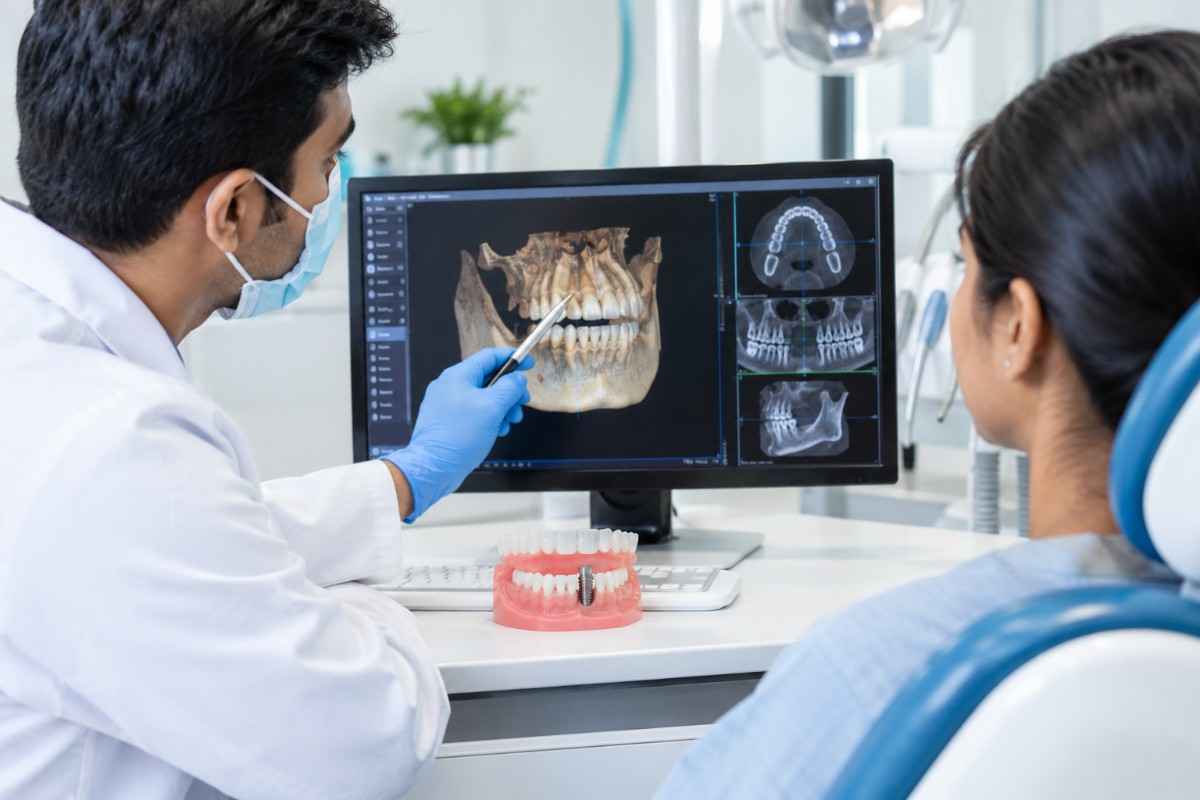
Healthy teeth depend on more than strong enamel and healthy gums. The jawbone provides essential support for the teeth and plays an important role in maintaining facial structure, chewing function, and overall oral health. When the supporting bone begins to deteriorate, it can affect the stability of natural teeth and influence future tooth replacement options.
Dental bone loss in Puducherry is an important topic for people who have missing teeth, gum disease, loose teeth, or are considering dental implants. Understanding why bone loss occurs and how dentists evaluate it can help patients make informed decisions about their oral health.
- At Dr Mugilan's Dental Clinic and Implant Center, patients can explore treatment options for missing teeth and other dental concerns with the support of modern digital dental technology. This guide explains the causes of jawbone loss, the warning signs to look for, and how a dental assessment can help determine the next steps.
- What Is Dental Bone Loss?
- Dental bone loss occurs when the bone surrounding and supporting the teeth gradually reduces in volume or density. The jawbone helps anchor teeth in position, supports biting forces, and contributes to the shape of the lower face.
Bone loss may develop slowly, so patients do not always notice it during the early stages. In some cases, it is identified during a routine dental examination or through dental imaging.
- The extent of bone loss varies from person to person. Its impact depends on the underlying cause, the location affected, the condition of the gums and teeth, and the patient's general health.
- What Causes Jawbone Loss?
- Several dental conditions and changes can contribute to the loss of supporting jawbone.
- 1. Gum Disease
- Periodontal disease is a major cause of bone loss around natural teeth. Plaque and bacteria can trigger inflammation in the gums. If the disease progresses beyond the gums, it may damage the tissues and bone that support the teeth.
Possible warning signs include bleeding gums, persistent bad breath, gum recession, and teeth that feel loose. However, gum disease can also progress with few noticeable symptoms.
- Early diagnosis and appropriate periodontal treatment can help control the disease and reduce further damage.
- 2. Missing Teeth
- When a tooth is removed or lost, the jawbone in that area no longer receives the same stimulation from chewing forces transmitted through the tooth root. As a result, the bone may gradually shrink over time.
This change can affect the shape of the gum ridge and the space available for replacing the missing tooth. It may also influence how a removable denture fits.
- Not everyone experiences the same amount of bone reduction, which is why an individual assessment is important.
- 3. Tooth Infection or Trauma
- Severe infections around a tooth or its root may damage nearby bone. Dental injuries can also affect the supporting structures, depending on the severity and location of the trauma.
- Prompt evaluation of persistent tooth pain, swelling, or dental injuries can help identify problems before they progress.
- 4. Other Contributing Factors
- Certain medical conditions, smoking, some medications, and changes in general health may affect bone or gum health. Their influence varies depending on the individual circumstances.
- Patients should inform their dentist about relevant medical conditions and medications before undergoing dental procedures.
- Early Warning Signs of Dental Bone Loss
- Bone loss itself may not cause pain, especially in its early stages. However, the conditions associated with it can produce symptoms that deserve attention.
- Watch for signs such as:
- Gums that bleed regularly during brushing or flossing.
- Teeth that appear longer because the gums have receded.
- Teeth that feel loose or have changed position.
- Spaces developing between teeth.
- Persistent bad breath or an unpleasant taste.
- Changes in the fit of an existing denture.
- Difficulty chewing comfortably.
- These symptoms do not automatically mean that bone loss is present. Other dental conditions can produce similar problems, so a professional examination is necessary to determine the cause.
- If you notice sudden tooth looseness, facial swelling, significant pain, or signs of infection, arrange a prompt dental assessment.
- How Does Bone Loss Affect Dental Implants and Dentures?
- Jawbone health is an important consideration when replacing missing teeth. Different tooth replacement options interact with the jaw in different ways.
- Dental Implants
- Dental implants are placed in the jawbone to support replacement teeth. The implant needs sufficient suitable bone for stable placement and healing.
When bone loss has occurred, the dentist evaluates the available bone, its quality, the position of nearby structures, and the patient's overall oral health. Some patients may still be candidates for implants, while others may require additional procedures or alternative treatment options.
- Depending on the individual case, a bone graft or another preparatory procedure may be considered. These procedures are not necessary for every patient, and their suitability depends on clinical findings.
- Complete and Removable Dentures
- Dentures can replace missing teeth without requiring an implant for every replacement tooth. However, changes in the jawbone and gums can affect how dentures fit over time.
A poorly fitting denture may move during speaking or eating and cause irritation. Regular dental reviews help determine whether an adjustment, reline, repair, or replacement is appropriate.
- The choice between implants, dentures, or other restorative options should be based on the patient's oral health, preferences, functional needs, and treatment assessment.
- How Digital Dentistry Helps Assess Bone Health
- Digital dental technology can help dentists gather information about the teeth, gums, bite, and jaw before planning suitable treatment.
- Digital Dental Imaging
- Depending on the clinical need, the dentist may recommend conventional dental X-rays or three-dimensional imaging such as cone-beam computed tomography (CBCT).
CBCT imaging can provide a three-dimensional view of the jawbone and nearby anatomical structures when indicated. This information may be useful when evaluating potential dental implant sites.
- Not every patient needs a CBCT scan. The dentist recommends imaging based on the clinical question and whether the additional information is likely to affect treatment planning.
- Digital Treatment Planning
- Digital tools can help the dental team review the available information and plan procedures with greater detail. For implant treatment, this may include evaluating the proposed implant position in relation to the bone and nearby structures.
Digital planning supports clinical decision-making, but it does not eliminate the need for a complete examination, sound clinical judgment, or appropriate follow-up care.
- At Dr Mugilan's Dental Clinic and Implant Center, the clinic's digital dental technology and range of restorative services can help patients explore suitable options for missing teeth and other oral health concerns.
- Can Dental Bone Loss Be Prevented?
- Although not every cause of bone loss can be prevented, good oral hygiene and timely dental care can reduce the risk of several contributing conditions.
- Maintain a Consistent Oral Hygiene Routine
- Brush twice daily with fluoride toothpaste and clean between your teeth every day using suitable floss or interdental cleaning tools. Ask your dentist to demonstrate an effective technique if you have bleeding gums or difficulty cleaning certain areas.
- Schedule Regular Dental Check-ups
- Routine examinations allow a dentist to assess gum health, identify potential signs of periodontal disease, and recommend treatment when needed. Professional cleaning may also be appropriate depending on your oral health.
- Replace Missing Teeth After an Assessment
- If you have lost a tooth, discuss replacement options with your dentist rather than assuming that the gap will not affect your oral health. A suitable treatment plan depends on the condition of the remaining teeth, gums, and jawbone.
- Avoid Tobacco and Manage Health Conditions
- Smoking can increase the risk of gum disease and interfere with healing. Managing health conditions and informing your dentist about medications can also help the dental team plan appropriate care.
- When Should You Visit a Dentist in Puducherry?
- Consider scheduling a dental consultation if you have missing teeth, loose teeth, receding gums, recurring gum bleeding, or dentures that no longer fit comfortably.
An assessment may include a review of your dental and medical history, examination of the teeth and gums, evaluation of your bite, and appropriate imaging when necessary.
Based on the findings, your dentist can explain whether you need gum treatment, tooth replacement, denture adjustments, dental implants, or another approach.
- Dr Mugilan's Dental Clinic and Implant Center provides a range of services, including dental implants, complete and removable dentures, root canal treatments, tooth caps and veneers, Invisalign aligners, smile designing, TMD disorder care, children's dentistry, and full mouth rehabilitation. The appropriate service depends on the patient's individual needs and clinical assessment.
- Explore Your Dental Treatment Options With Dr Mugilan's Dental Clinic and Implant Center
- Dental bone loss does not always mean that tooth replacement is impossible. The available options depend on how much bone remains, the condition of the gums, overall health, and the type of restoration being considered.
Recognising warning signs early and seeking professional advice can help you understand your oral health and make informed decisions about treatment.
If you are experiencing loose teeth, gum recession, missing teeth, or concerns about dental implants, visit Dr Mugilan's Dental Clinic and Implant Center to learn more about its dental services and contact the clinic for a consultation or appointment.
Take the next step toward healthier teeth and a better-informed treatment plan by arranging a dental assessment. Your dentist can help you understand your options and determine which approach is appropriate for your needs.
Disclaimer: This article is for general educational purposes and is not a substitute for a professional dental examination, diagnosis, or personalised treatment advice.