Dental Anxiety in Puducherry: How to Feel More Comfortable During Your First Dental Visit
Feeling nervous about visiting a dentist is more common than many people realise. Understanding what happens during a dental consultation, discussing your concerns, and knowing your treatment options can make the experience more comfortable. Learn practical ways to prepare for your first dental visit in Puducherry.

Dr Mugilan's Dental Team
·8 min read

For many people, visiting a dentist can create feelings of nervousness, uncertainty, or fear. Some worry about pain, while others feel uncomfortable because they do not know what will happen during the appointment. These concerns can sometimes cause people to postpone dental checkups, even when they experience tooth pain or other oral health problems.
Understanding dental anxiety and preparing for a consultation can make dental visits easier. With clear communication, proper evaluation, and an individualised treatment approach, patients can make informed decisions about their oral health.
If you are looking for information about dental anxiety in Puducherry, this guide explains its common causes, practical ways to manage it, and what to expect during your first dental consultation.
What Is Dental Anxiety?
Dental anxiety refers to feelings of fear, stress, or nervousness associated with dental appointments or procedures. It can range from mild uneasiness before a checkup to significant fear that makes someone avoid dental care.
People may experience dental anxiety before routine examinations, professional cleaning, fillings, root canal treatment, tooth extraction, or other dental procedures.
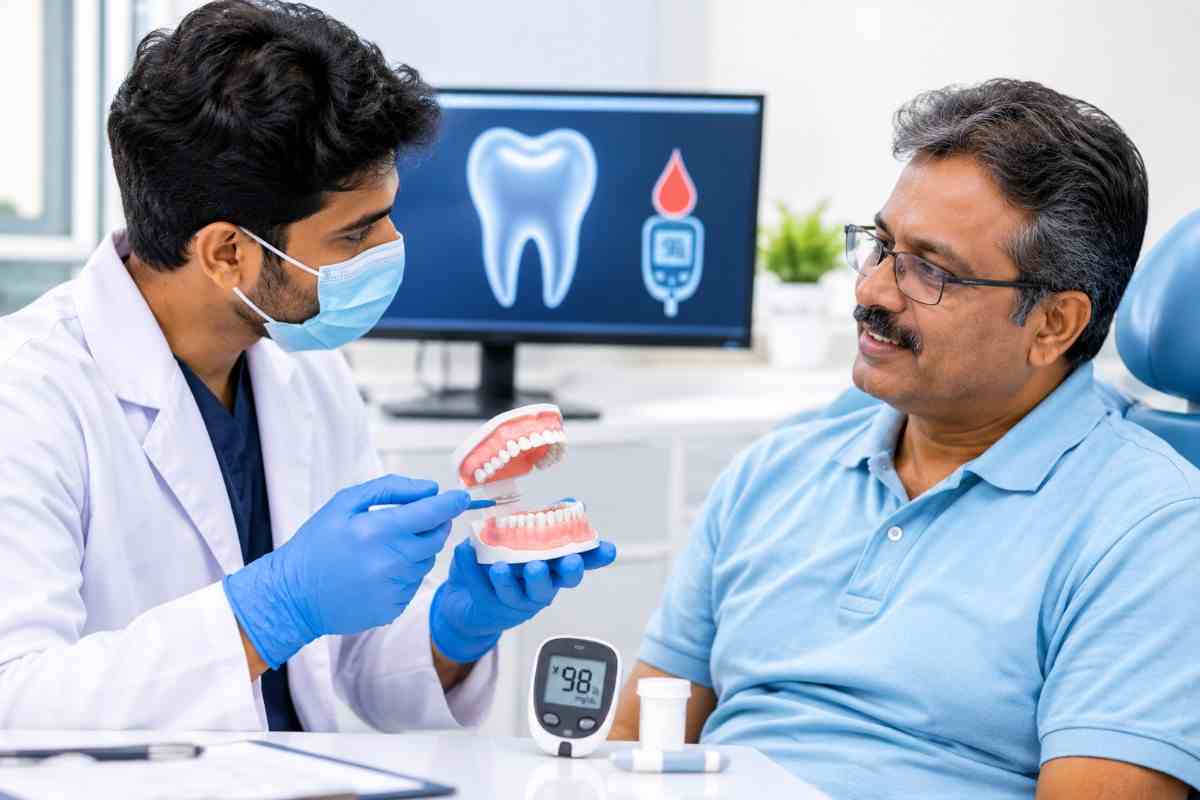
It is important to understand that dental anxiety is not unusual, and patients should feel comfortable discussing their concerns with their dentist. Sharing these feelings helps the dental team understand individual needs and plan the consultation accordingly.
Common Causes of Dental Anxiety
Every patient has different concerns. Identifying the reason behind dental anxiety can help make the experience more manageable.
1. Previous Uncomfortable Dental Experiences
A painful or stressful dental experience in the past may influence how someone feels about future appointments. Even if the current treatment is different, the memory of an earlier experience can create apprehension.
2. Fear of Pain
One of the most common concerns is the possibility of experiencing pain during treatment. Patients may worry about injections, drilling, tooth removal, or other dental procedures.
Modern dental care includes different techniques to manage discomfort, depending on the procedure and the patient's needs. Your dentist can explain what to expect before treatment begins.
3. Uncertainty About the Treatment
Not knowing what a dental procedure involves can increase nervousness. Patients may have questions about treatment duration, possible discomfort, recovery, and costs.
A clear explanation of the diagnosis and available treatment options can reduce uncertainty and help patients feel more involved in their decisions.
4. Embarrassment About Oral Health
Some people avoid dental visits because they feel embarrassed about stained teeth, bad breath, missing teeth, or long-standing dental problems.
Dental professionals regularly evaluate different oral health conditions. Their role is to assess the problem and help patients understand suitable treatment options, not to judge them.
5. Sensitivity to Sounds and Dental Equipment
The sounds, instruments, lights, and clinical environment of a dental clinic may feel uncomfortable for certain patients. Understanding the purpose of the equipment and discussing specific concerns can help make the visit less intimidating.
Signs That You May Be Experiencing Dental Anxiety
Dental anxiety can affect people differently. Some may experience nervousness only before an appointment, while others may find it difficult to attend a dental consultation.
Common signs include:
Feeling worried several days before a dental appointment.
Avoiding or repeatedly postponing dental checkups.
Experiencing sweating or a faster heartbeat when thinking about treatment.
Feeling uncomfortable when hearing dental equipment sounds.
Having difficulty relaxing in the dental chair.
Worrying excessively about pain or treatment outcomes.
If anxiety is causing you to delay necessary dental care, consider discussing it with a dental professional.
7 Practical Ways to Manage Dental Anxiety Before Your Appointment
Preparing for your appointment can help you feel more confident and comfortable.
1. Share Your Concerns With the Dentist
Let the dental team know if you feel nervous. Explain whether your concern is related to pain, injections, previous experiences, or uncertainty about treatment.
This allows the dentist to understand your expectations and explain the consultation process at a suitable pace.
2. Ask Questions Before Treatment
Do not hesitate to ask about your dental condition and the recommended procedure.
Useful questions include:
What is causing my dental problem?
Are there different treatment options?
Will the procedure involve local anaesthesia?
How long might the appointment take?
What should I expect after treatment?
Understanding the answers can help you make informed decisions.
3. Begin With a Consultation
If you feel anxious, starting with an examination and discussion may be more comfortable than immediately planning a procedure.
During an initial consultation, the dentist can review your dental concerns, examine your teeth and gums, and explain whether further investigations or treatment are necessary.
4. Choose a Suitable Appointment Time
Consider booking an appointment at a time when you are less likely to feel rushed or stressed. Arriving a little early can also give you time to become familiar with the clinic environment.
5. Use Simple Relaxation Techniques
Slow breathing and consciously relaxing your shoulders can help manage mild nervousness. Some patients also find it helpful to listen to calming music, where appropriate and permitted by the dental team.
If you have significant anxiety, discuss additional support options with your dentist rather than trying to manage it alone.
6. Understand the Role of Modern Dental Technology
Modern dental clinics may use digital equipment and updated diagnostic methods to support treatment planning. Depending on the clinical requirement, these technologies can help the dentist assess dental conditions and explain treatment options more clearly.
However, technology does not eliminate every source of discomfort. Your treatment experience also depends on the procedure, your individual needs, and communication with the dental team.
7. Do Not Ignore Dental Problems
Postponing dental treatment because of fear may allow certain oral health conditions to progress. Tooth decay, infections, damaged teeth, and gum problems may become more complicated if left untreated.
Seeking professional advice early can help identify problems and discuss appropriate treatment options.
What Happens During Your First Dental Consultation?
Knowing what to expect can reduce uncertainty about visiting a dentist.
Step 1: Discuss Your Dental History
The dentist may ask about your symptoms, previous dental treatments, existing medical conditions, medications, allergies, and specific concerns.
Providing accurate information helps the dental team understand your individual needs.
Step 2: Dental Examination
The dentist examines your teeth, gums, bite, and other relevant oral structures. The examination helps identify visible problems and determine whether additional investigations are needed.
Step 3: Diagnostic Evaluation
Depending on your symptoms and examination findings, the dentist may recommend dental X-rays, digital scans, or other appropriate diagnostic procedures.
Not every patient requires every investigation. The choice depends on the clinical situation.
Step 4: Discuss Treatment Options
After evaluating your condition, the dentist explains the findings and possible treatment approaches. You can discuss the benefits, limitations, expected duration, and costs of the recommended options.
Step 5: Plan the Next Steps
Treatment may be scheduled for another appointment or started during the consultation if appropriate and agreed upon. Patients should have an opportunity to understand the plan before proceeding.
How Different Dental Treatments Can Be Planned Around Patient Needs
Patients with dental anxiety may require different levels of explanation and preparation depending on the treatment recommended.
At a modern multi-speciality dental clinic, treatment planning may involve several areas of dentistry.
Root Canal Treatment: Used in suitable cases to treat infection or inflammation within the tooth and help preserve the natural tooth.
Dental Implants: An option for replacing missing teeth after assessing bone support, oral health, and overall suitability.
Invisalign Aligners: Clear aligner treatment for selected orthodontic conditions, following an assessment of tooth alignment and bite.
Tooth Caps and Veneers: Restorative and cosmetic options used for different purposes depending on the condition of the teeth.
Complete and Removable Dentures: Options for replacing missing teeth and improving oral function.
Kids Dentistry: Dental care that considers children's age, development, and individual needs.
Full Mouth Rehabilitation: A comprehensive approach that may combine multiple treatments to address extensive dental problems.
TMD Disorder Treatment: Assessment and management of selected jaw joint and related muscle conditions.
The appropriate treatment depends on a professional examination. Patients should not assume that every procedure is suitable for every dental condition.
Patient-Focused Dental Care at Dr Mugilan's Dental Clinic and Implant Center, Puducherry
Choosing a dental clinic involves more than considering the treatments available. Patients should also feel comfortable asking questions, understanding their diagnosis, and discussing their concerns before proceeding.
Dr Mugilan's Dental Clinic and Implant Center is a modern multi-speciality digitalized dental clinic in Puducherry, equipped with contemporary dental technologies.
The clinic provides services across different areas of dentistry, including dental implants, Invisalign aligners, smile designing, complete and removable dentures, TMD disorder treatment, tooth caps and veneers, Root Canal Treatments, kids dentistry, and full mouth rehabilitation.
For patients who feel nervous about dental appointments, discussing concerns during the consultation can help the dental team understand their expectations and explain the treatment process.
To learn more about the clinic and its dental services, visit https://drmugilandentistry.com/.
When Should You Seek Professional Dental Advice?
Do not allow dental anxiety to prevent you from seeking care when you notice symptoms such as persistent tooth pain, swollen gums, bleeding, sensitivity, difficulty chewing, or a damaged tooth.
Facial swelling, fever with dental pain, or difficulty swallowing or breathing may require urgent medical or dental attention. Seek emergency care for breathing or swallowing difficulties.
Early professional evaluation can help identify the cause of symptoms and determine the appropriate next steps.
Conclusion
Dental anxiety can make routine dental visits challenging, but understanding the treatment process and communicating openly with your dentist can help reduce uncertainty. Preparing questions, discussing previous experiences, and beginning with a consultation are practical ways to make dental care more manageable.
If you are looking for a modern multi-speciality dental clinic in Puducherry, Dr Mugilan's Dental Clinic and Implant Center offers a range of dental services supported by digital dental technology.
Explore the clinic's treatments and contact information at drmugilandentistry.com to arrange a consultation and take an informed step towards better oral health.