Cracked Tooth Syndrome in Puducherry: Early Warning Signs, Common Causes, and Treatment Options to Save Your Natural Tooth
A cracked tooth may not always be visible, but it can cause pain while chewing, sensitivity, and discomfort when biting. Understanding the early warning signs of cracked tooth syndrome can help patients seek timely dental evaluation and explore suitable treatment options to protect their natural teeth.
Dr Mugilan's Dental Team
·7 min read
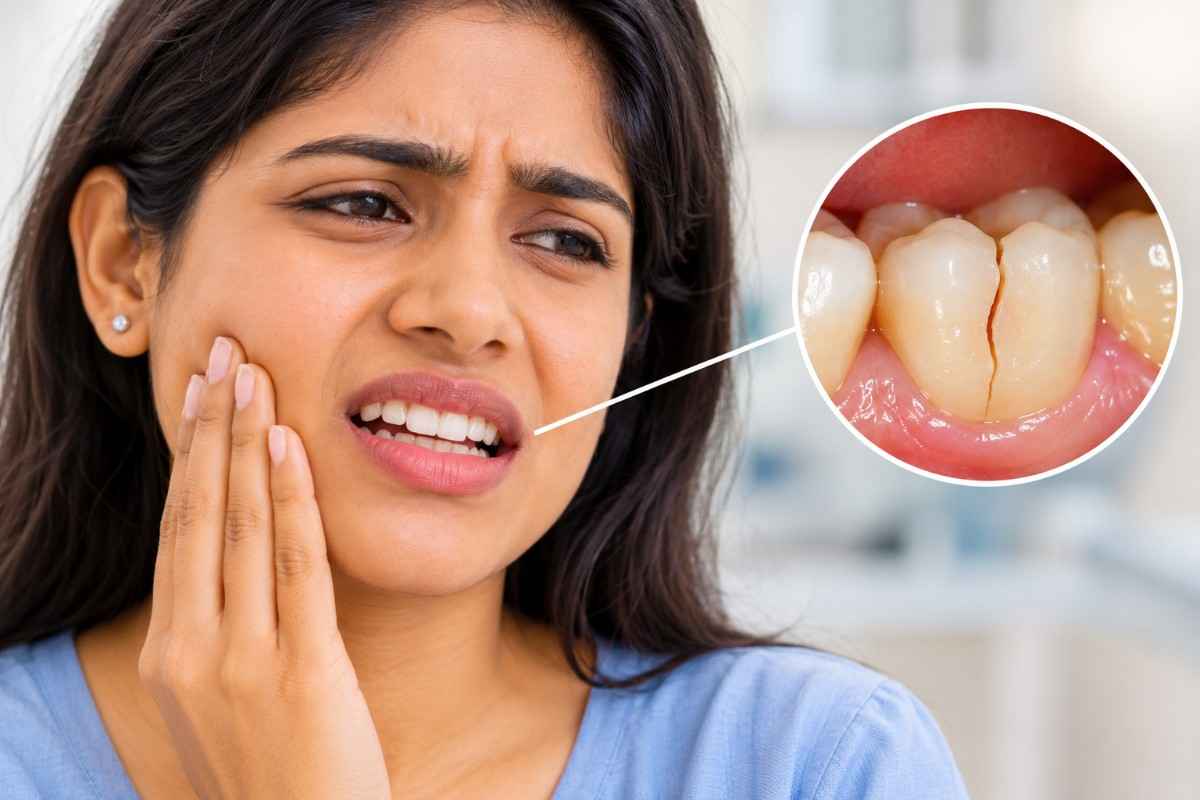
- A tooth does not always need to break completely to develop a dental problem.
- Sometimes, a small crack can form in the tooth and cause discomfort while chewing, sensitivity to hot or cold foods, or occasional pain that is difficult to identify.
- This condition is commonly known as cracked tooth syndrome.
- Unlike a visible broken tooth, a small crack may be difficult to notice without a dental examination.
- Ignoring the symptoms can allow the damage to progress, potentially making treatment more complicated.
Understanding the early signs of cracked tooth syndrome and seeking timely dental care can help protect your natural teeth. For patients looking for cracked tooth treatment in Puducherry, knowing the available diagnosis and treatment options is an important first step.
What Are the Early Warning Signs of a Cracked Tooth?
Recognising the symptoms early can help patients seek dental attention before the damage becomes more extensive.
1. Pain While Chewing
One of the common signs is discomfort when biting down on food. Some people experience a sharp pain when chewing hard or crunchy foods.
The discomfort may occur only when pressure is applied to a particular tooth, making it difficult to identify the exact source.
2. Pain When Releasing the Bite
Some cracked teeth produce a brief, sharp sensation when a person releases pressure after biting.
This happens because the movement of the cracked tooth segments can irritate the internal structures of the tooth.
3. Sensitivity to Hot and Cold Foods
A crack may allow temperature changes to affect the sensitive inner layers of the tooth.
Patients may notice discomfort while drinking cold water, consuming hot beverages, or eating certain foods.
4. Occasional Toothache
Cracked tooth pain may not be continuous. It can appear during meals and disappear afterwards.
This inconsistent pattern sometimes causes people to delay dental visits because the tooth may feel normal between episodes.
5. Swelling or Gum Discomfort
If the crack allows bacteria to reach the inner parts of the tooth, inflammation or infection may develop.
Swelling, persistent pain, or a gum pimple near the affected tooth should be evaluated by a dentist promptly.
What Causes Teeth to Develop Cracks?
1. Several factors can contribute to cracked tooth syndrome.
2. Biting Hard Foods
3. Regularly chewing ice, hard sweets, nuts, or other very hard foods can place excessive pressure on teeth.
4. Teeth Grinding and Clenching
People who grind or clench their teeth, particularly during sleep, may place repeated pressure on their teeth. Over time, this stress can contribute to cracks and other forms of tooth damage.
5. Large Existing Fillings
Teeth with large restorations may have less remaining natural tooth structure. Depending on the condition of the tooth, this can increase its vulnerability to fracture.
6. Accidents and Dental Injuries
A fall, sports injury, or accidental impact to the mouth can cause a tooth to crack.
7. Natural Wear Over Time
Repeated chewing forces and age-related changes can make teeth more vulnerable to fractures. However, cracks can occur in people of different age groups.
How Is Cracked Tooth Syndrome Diagnosed?
Diagnosing a cracked tooth can sometimes be challenging because the fracture may be too small to see clearly.
A dental professional may use several examination methods to identify the problem.
Dental Examination
The dentist evaluates the affected tooth, surrounding gums, existing restorations, and the patient's symptoms.
Bite Tests
A special instrument may be used to check how individual parts of a tooth respond when biting pressure is applied. This can help identify the tooth causing discomfort.
Magnification and Transillumination
Magnification helps examine small details on the tooth surface. Transillumination involves directing light through the tooth to help identify certain cracks.
Dental Imaging
Dental X-rays may help assess the surrounding tooth structures and identify other possible causes of pain. However, very fine cracks do not always appear clearly on conventional X-rays.
Depending on the case, additional imaging or specialist assessment may be considered.
Modern digital dental technology can support examination and treatment planning, but the diagnosis depends on the clinical findings and the dentist's assessment.
What Are the Treatment Options for a Cracked Tooth?
Treatment depends on how deep the crack extends and whether the inner pulp of the tooth is affected.
1. Dental Bonding or Restoration
For minor cracks that affect only the outer tooth structure, a suitable restoration or bonding procedure may be considered.
The aim is to repair the affected area and restore the tooth's appearance and function.
2. Dental Crowns or Tooth Caps
When a tooth has a more extensive crack but can still be preserved, a dental crown may be recommended.
A crown covers the visible portion of the tooth and helps protect it from further chewing forces.
The dentist evaluates the remaining tooth structure before deciding whether a crown is suitable.
3. Root Canal Treatment
If the crack reaches the pulp and causes irreversible inflammation or infection, root canal treatment may be necessary.
During the procedure, the affected pulp tissue is removed, and the root canal system is cleaned and sealed. A suitable restoration, often a crown for a weakened back tooth, may be recommended afterwards.
Root canal treatment cannot repair every type of crack. If the fracture extends too deeply, saving the tooth may not be possible.
4. Tooth Extraction
When a crack extends below the gum line or divides the tooth into separate segments, extraction may be necessary.
After removal, the dentist can discuss suitable tooth replacement options based on the patient's oral health and individual needs. These may include dental implants, bridges, or dentures.
Can a Cracked Tooth Be Prevented?
Although not every tooth fracture can be prevented, certain habits can help reduce the risk.
Avoid chewing ice and extremely hard objects.
Do not use your teeth to open packages or break hard materials.
Wear a suitable mouthguard during contact sports.
Discuss teeth grinding or clenching with your dentist.
Maintain regular dental checkups.
Seek evaluation if you experience pain while biting or unexplained tooth sensitivity.
If you already have a cracked tooth, avoid chewing hard foods on the affected side until you receive professional advice.
Why Timely Dental Care Matters
1. A small crack may initially cause only occasional discomfort. However, continued chewing pressure can cause the fracture to extend.
2. Early evaluation gives the dentist an opportunity to assess whether the natural tooth can be preserved and which treatment is appropriate.
3. Patients experiencing sharp pain while chewing, repeated sensitivity, or unexplained discomfort should not rely only on pain relief or home remedies.
4. Persistent severe pain, facial swelling, fever, or difficulty swallowing requires prompt medical or dental attention.
Cracked Tooth Evaluation at Dr Mugilan's Dental Clinic and Implant Center, Puducherry
Understanding the cause of tooth pain is important before choosing a treatment. At Dr Mugilan's Dental Clinic and Implant Center, patients can explore dental care through a modern, multi-speciality dental setup equipped with digital dental technologies.
Depending on the examination findings, relevant restorative services may include tooth caps and veneers, root canal treatments, and other procedures to help restore damaged teeth. For teeth that cannot be preserved, options such as dental implants and dentures may also be discussed.
The appropriate treatment is determined by the condition of the tooth, the extent of the damage, and the patient's individual dental needs.
Protect Your Natural Teeth with Timely Dental Attention
A cracked tooth should never be ignored simply because the pain appears occasionally. Early warning signs such as discomfort while chewing, sensitivity, and pain when releasing a bite deserve proper dental evaluation.
If you are experiencing these symptoms and looking for dental care in Puducherry, consider arranging a consultation at Dr Mugilan's Dental Clinic and Implant Center.
Visit https://drmugilandentistry.com/ to explore the clinic's dental services and appointment information.
Taking the right steps at the right time can help protect your natural teeth and support better long-term oral health.