Children's Tooth Decay in Puducherry: Early Warning Signs, Common Causes, and How Preventive Dental Care Protects Growing Smiles
Tooth decay in children can begin before parents notice visible damage or discomfort. Understanding early warning signs, common causes, and preventive dental habits can help protect developing teeth. Learn how timely dental evaluation and age-appropriate care support healthy smiles throughout childhood.
Dr Mugilan's Dental Team
·8 min read
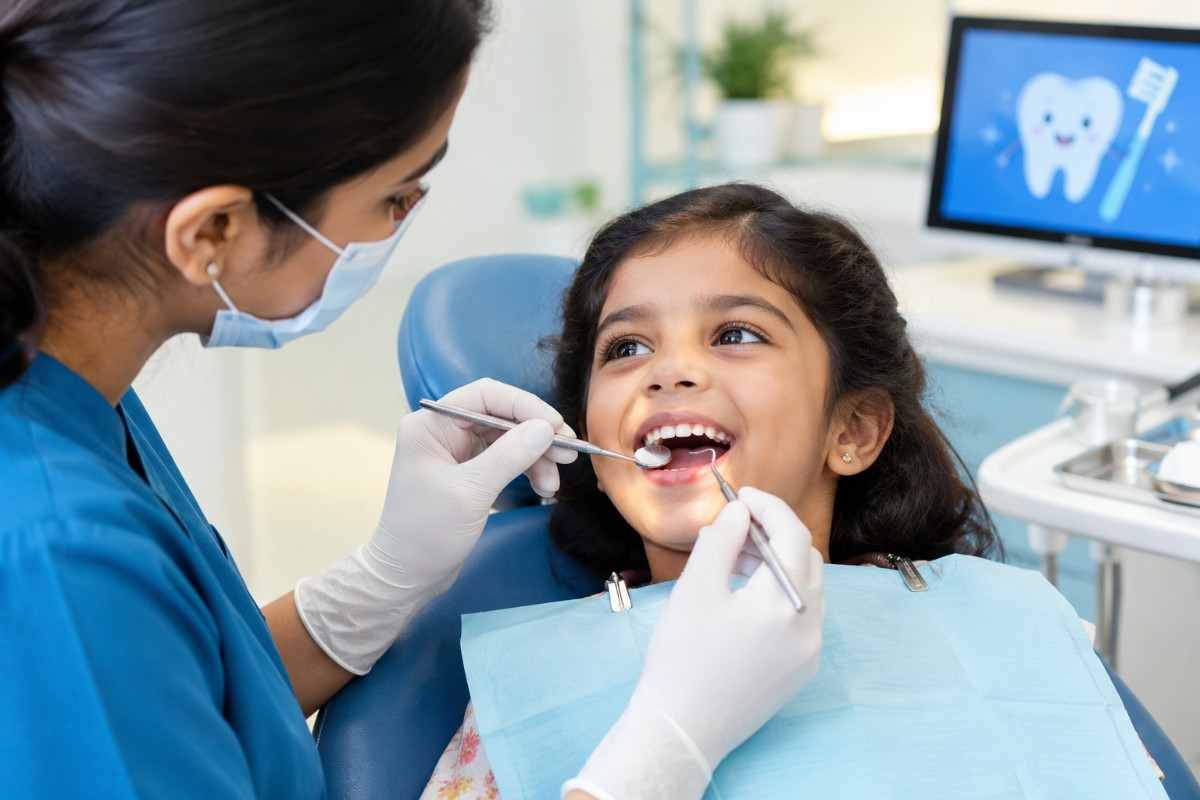
A child's smile is an important part of their growth and development. However, tooth decay can affect children at different ages, sometimes developing before parents notice any obvious symptoms. Even baby teeth, which eventually fall out, play an important role in chewing, speech development, and maintaining space for permanent teeth.
Understanding the causes of cavities, recognising early warning signs, and establishing healthy dental habits can help parents protect their children's oral health.
For families looking for children's dental care in Puducherry, knowing when to seek professional advice is an important step towards preventing dental problems and supporting healthy smiles.
1. What Is Tooth Decay in Children?
Tooth decay is damage to the hard outer surface of a tooth caused by acids produced by bacteria in dental plaque.
When children consume foods or drinks containing sugars and carbohydrates, bacteria in the mouth use these substances and produce acids. Repeated acid attacks can gradually weaken the tooth enamel, eventually creating cavities.
Children may be more vulnerable to cavities because their brushing habits and dietary choices are still developing. Their primary teeth also have thinner enamel than permanent teeth, making early dental problems particularly important to address.
Tooth decay can affect:
Front and back baby teeth.
Newly erupted permanent teeth.
Areas between neighbouring teeth.
Grooves and chewing surfaces of molars.
Early evaluation can help identify damage before it progresses into more complicated dental problems.
2. Common Causes of Tooth Decay in Children
Several everyday habits can increase a child's risk of developing cavities.
Frequent Consumption of Sugary Foods
Sweets, chocolates, biscuits, cakes, and sugary snacks can contribute to tooth decay, particularly when children consume them frequently throughout the day.
The frequency of sugar exposure matters because teeth need time between meals to recover from acid attacks.
Parents can encourage healthier alternatives such as whole fruits, vegetables, and other balanced snacks.
Sugary Drinks and Packaged Juices
Soft drinks, sweetened beverages, flavoured milk, and packaged fruit juices may contain considerable amounts of sugar.
Regular consumption can increase the risk of cavities.
Water and plain milk are generally better everyday drink choices for children. Parents should also avoid allowing young children to fall asleep with bottles containing milk, formula, juice, or sweetened drinks.
Improper Brushing Habits
Children may not clean every tooth surface effectively without assistance.
Plaque can accumulate around the gumline, between teeth, and in the grooves of molars.
Parents should supervise brushing until children develop the ability to clean their teeth properly.
Bedtime Feeding Habits
Frequent exposure to milk or other drinks containing sugars during sleep can contribute to early childhood tooth decay.
Saliva production decreases during sleep, reducing one of the mouth's natural protective mechanisms.
Cleaning a child's teeth before bedtime and following age-appropriate feeding guidance can help reduce this risk.
3. Early Warning Signs Parents Should Never Ignore
Tooth decay does not always cause pain during its initial stages. Therefore, parents should look for changes in the appearance and condition of their child's teeth.
White Spots on Teeth
Early enamel demineralisation may appear as chalky white patches, particularly near the gumline.
These areas can indicate the beginning of tooth decay and should be evaluated by a dental professional.
Brown or Black Discolouration
Brown or black spots may indicate tooth damage, although not every dark mark is necessarily a cavity.
A dental examination helps determine the actual cause.
Sensitivity While Eating
Children may complain of discomfort when consuming cold, hot, or sweet foods.
Sensitivity can have different causes, including tooth decay, so persistent complaints should not be ignored.
Pain While Chewing
If a child avoids chewing on one side or complains of pain during meals, it may indicate an underlying dental problem.
Swelling or Gum Discomfort
Swelling around a tooth, gum tenderness, or a visible pimple-like swelling may indicate infection.
These symptoms require prompt professional dental evaluation. Facial swelling, fever, or difficulty swallowing requires urgent medical attention.
4. Why Treating Baby Teeth Is Important
Some parents believe that cavities in baby teeth do not require treatment because these teeth will eventually fall out. However, untreated decay can affect a child's comfort, nutrition, and oral development.
Supporting Proper Chewing
Healthy primary teeth help children chew food comfortably. Severe tooth decay may cause pain and make eating difficult.
Supporting Speech Development
Baby teeth contribute to the development of certain speech sounds. Maintaining their health supports normal oral function during childhood.
Preserving Space for Permanent Teeth
Primary teeth help maintain space for the permanent teeth developing beneath them.
If a baby tooth is lost too early because of severe decay, neighbouring teeth may shift into the space. In some cases, this can affect the eruption position of permanent teeth.
Preventing Dental Pain and Infection
Untreated cavities can progress deeper into the tooth and may eventually affect the dental pulp.
Timely treatment can help prevent avoidable discomfort and more extensive procedures.
5. How Can Parents Prevent Cavities in Children?
Preventive dental habits should begin as soon as the first tooth appears.
Establish a Daily Brushing Routine
Brush children's teeth twice daily using an age-appropriate, soft-bristled toothbrush and fluoride toothpaste.
For children under three years, use a smear or rice-grain-sized amount of fluoride toothpaste. For children aged three to six years, use a pea-sized amount, with adult supervision to minimise swallowing.
Parents should help children brush until they can clean all tooth surfaces effectively.
Encourage Healthy Eating Habits
Limit frequent sugary snacks and sweetened drinks.
Try to:
Offer balanced meals at regular intervals.
Choose whole fruits instead of frequent sugary snacks.
Encourage water between meals.
Avoid repeated exposure to sweets throughout the day.
Keep bedtime routines free from sugary drinks.
Make Dental Checkups Routine
Regular dental visits help identify early signs of decay and allow the dentist to assess the child's oral development.
A child's first dental visit is generally recommended by the first birthday or within six months of the first tooth appearing.
The dentist can recommend an appropriate follow-up schedule based on the child's individual needs.
Ask About Preventive Treatments
Depending on the child's age and cavity risk, a dentist may recommend preventive options such as fluoride varnish or dental sealants.
Sealants are protective coatings applied to the grooves of selected back teeth to help prevent food and bacteria from collecting in areas that are difficult to clean.
The suitability of these treatments should be determined through a dental assessment.
6. What Happens During a Children's Dental Visit?
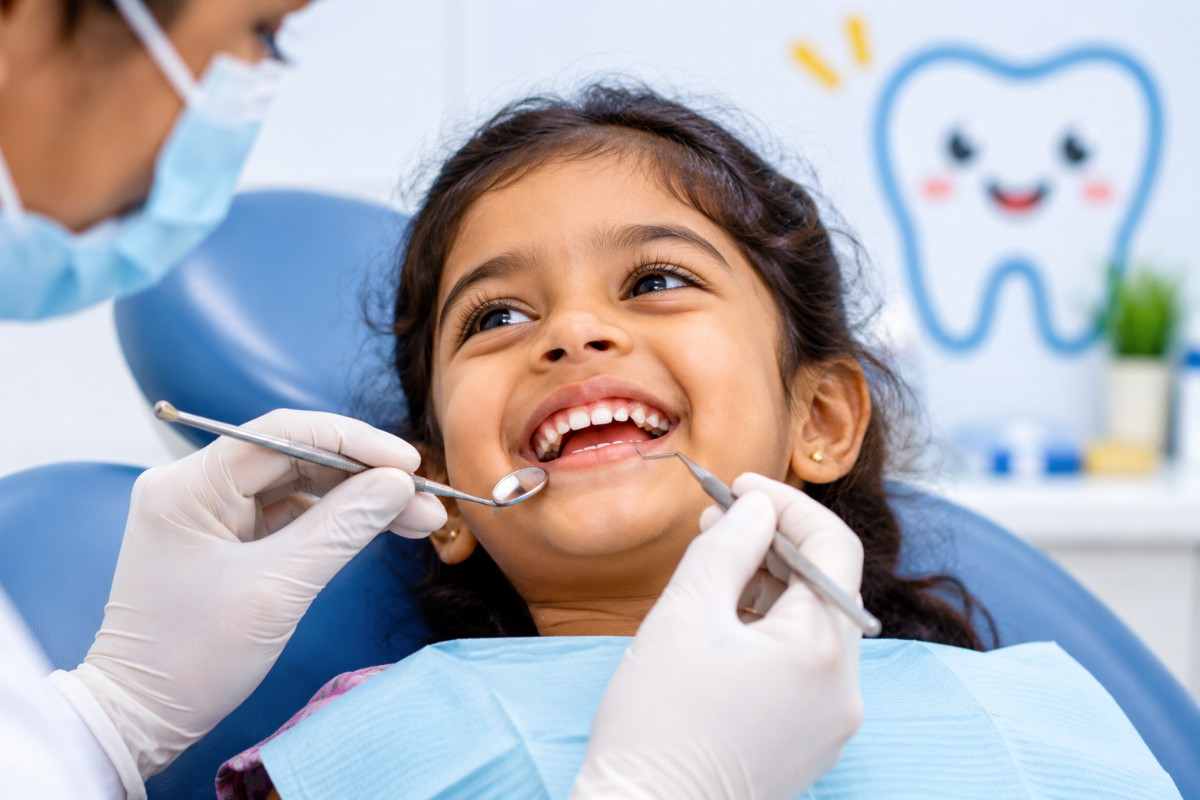
A children's dental consultation generally begins with understanding the child's dental history, eating habits, brushing routine, and any symptoms.
The dentist may examine:
The condition of baby and permanent teeth.
Signs of enamel damage or cavities.
Gum health.
Tooth eruption and spacing.
Oral hygiene habits.
Dental X-rays may be recommended when clinically necessary, particularly if decay between teeth or other problems cannot be assessed through a visual examination alone.
Treatment depends on the extent of tooth damage. Early lesions may sometimes be managed with preventive approaches, while established cavities may require fillings or other restorative treatment.
If decay has reached the inner part of the tooth, more advanced treatment may be necessary. The dentist will explain suitable options based on the child's age, symptoms, and tooth condition.
7. When Should You Consult a Dentist?
Parents should arrange a dental evaluation if their child experiences:
White, brown, or dark spots on teeth.
Tooth sensitivity or repeated complaints of pain.
Difficulty chewing food.
Visible cavities or broken teeth.
Swelling around the gums.
Unusual changes in eating habits due to dental discomfort.
Even when children do not experience symptoms, routine dental visits remain important for monitoring oral development and identifying potential problems early.
8. Children's Dental Care at Dr Mugilan's Dental Clinic and Implant Center
Children benefit from dental care that considers their age, comfort, oral development, and individual treatment needs.
Dr Mugilan's Dental Clinic and Implant Center, Puducherry, is a modern multi-speciality dental clinic equipped with digital dental technologies and offering a range of dental services, including kids dentistry.
The clinic also provides dental implants, Invisalign aligners, smile designing, complete and removable dentures, TMD disorder care, tooth caps and veneers, Root Canal Treatments, and full mouth rehabilitation.
For children, dental evaluation can help parents understand the condition of developing teeth, identify early signs of decay, and discuss suitable preventive or restorative treatment options.
Parents can explore the clinic's services and contact information through the official website:
Conclusion: Build Healthy Dental Habits from Childhood
Children's tooth decay is a common dental concern, but many risk factors can be managed through healthy eating habits, regular brushing, fluoride use, and timely dental consultations.
Parents should remember that baby teeth are important for chewing, speech development, and maintaining space for permanent teeth. Ignoring cavities simply because these teeth are temporary can lead to avoidable pain and complications.
If you notice unusual spots, sensitivity, or discomfort in your child's teeth, consider arranging a dental consultation.
For children's dental care and other dental treatment enquiries in Puducherry, visit Dr Mugilan's Dental Clinic and Implant Center through https://drmugilandentistry.com/ to explore the available services and appointment information.
A healthy smile begins with good habits and timely attention to dental health.