
Nam augue velit, fermentum sed erat non, efficitur interdum lectus. Donec hendrerit lorem a dui euismod tempus. Vivamus auctor blandit tellus et interdum.
Address: 70 Washington Square South, New York, NY 10012, United States
Email: example@gmail.com
Call: +000 (123) 456 88
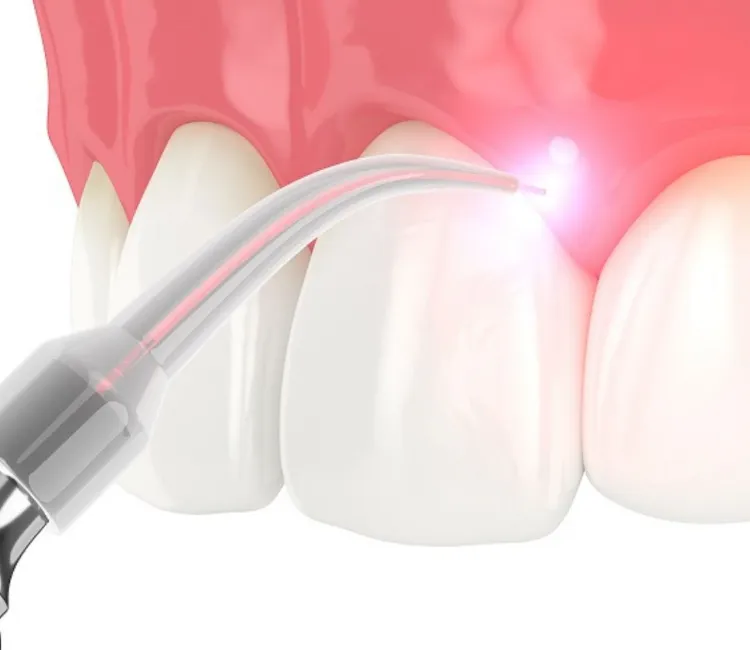
Gum Surgery in Pondicherry is recommended for patients with advanced gum disease, gum recession or damaged periodontal tissues that cannot be treated through non-surgical methods alone. These specialized procedures help eliminate infection, restore gum health, protect supporting bone structures and improve the stability of natural teeth. With timely treatment, patients can maintain healthier gums and better oral function.
Gingival flap surgery is a specialized periodontal procedure used to treat moderate to severe gum disease when deep pockets develop around the teeth. During the treatment, the gums are carefully lifted to provide access for the thorough removal of plaque, tartar and infected tissue beneath the gum line. By reducing periodontal pockets and eliminating harmful bacteria, this procedure helps restore gum health, protect the supporting bone and prevent further progression of gum disease.
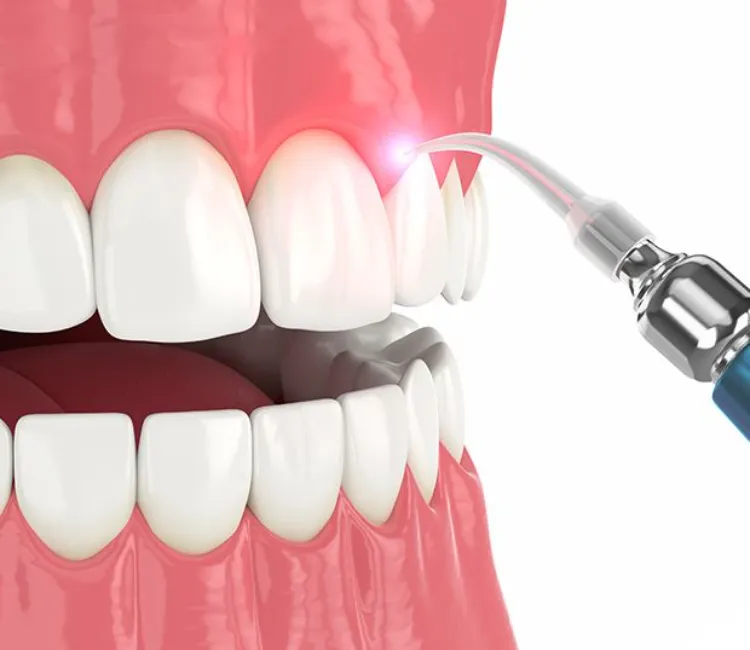
Gingivectomy is a periodontal procedure that removes excess or overgrown gum tissue surrounding the teeth. This treatment helps create a healthier gum contour, making it easier to maintain proper oral hygiene and reduce the risk of plaque accumulation. In addition to improving gum health, gingivectomy can enhance the appearance of the smile by creating a more balanced and aesthetically pleasing gum line.
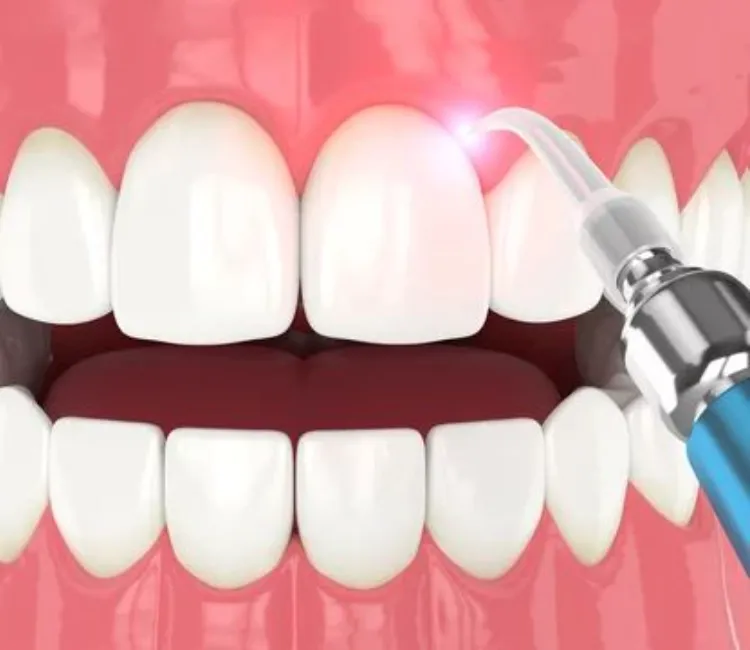
Gingivoplasty is a cosmetic gum reshaping procedure designed to create a more even and natural-looking gum line. It is commonly performed to correct uneven gums, improve smile symmetry, or reduce the appearance of a gummy smile. By carefully sculpting the gum tissue, gingivoplasty enhances the overall appearance of the teeth and smile while maintaining healthy gum structure and function.
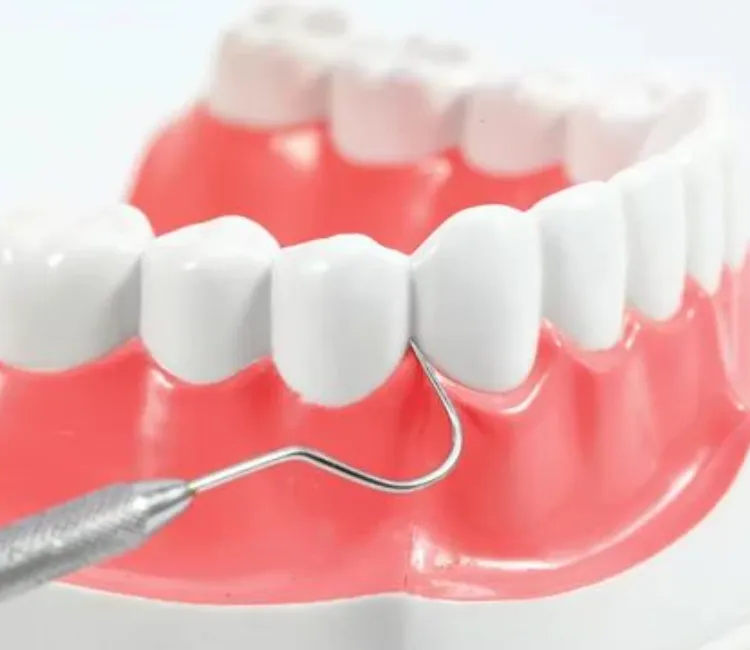
Gum depigmentation is a cosmetic dental procedure that helps reduce or eliminate dark patches and excess pigmentation on the gums. Using advanced surgical or laser techniques, the treatment gently removes the pigmented layer to reveal healthier, more natural-looking gum tissue. This procedure enhances the appearance of the smile by restoring a cleaner pink gum color while ensuring minimal discomfort and recovery.
Questions about our Gum Surgery Treatment? Reach out today to learn more.
Gum surgery is a treatment used to repair and restore gum health affected by disease or aesthetic concerns.
The procedure is done under anesthesia, ensuring minimal discomfort during treatment.
Recovery usually takes a few days to a couple of weeks depending on the procedure.
Yes, procedures like gingivoplasty and depigmentation enhance smile aesthetics.
Results are long-lasting, though slight pigmentation may return over time in some cases.
25+ Years of experience in dental care services
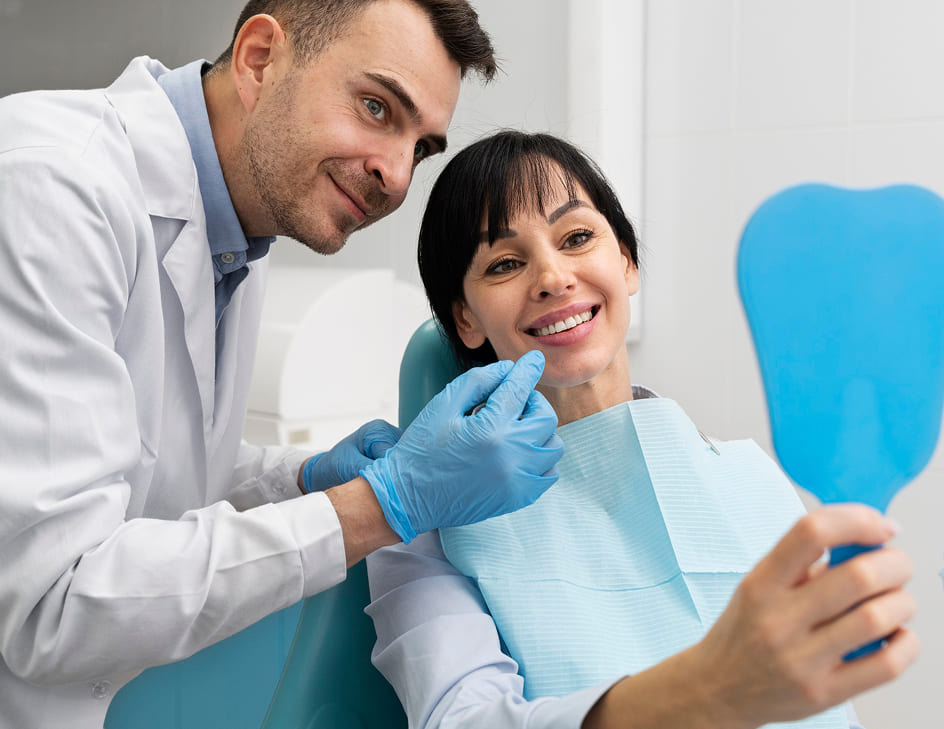
We provide modern, safe, and personalized dental care using advanced technology and expert guidance.
We provide modern, safe, and personalized dental care using advanced technology and expert guidance.
©Copyrigh 2026 Dr Mugilan’s Dental Clinic All rights reserved.
 Optimized by Seraphinite Accelerator